Why Does Tooth Pain Often Get Worse at Night?
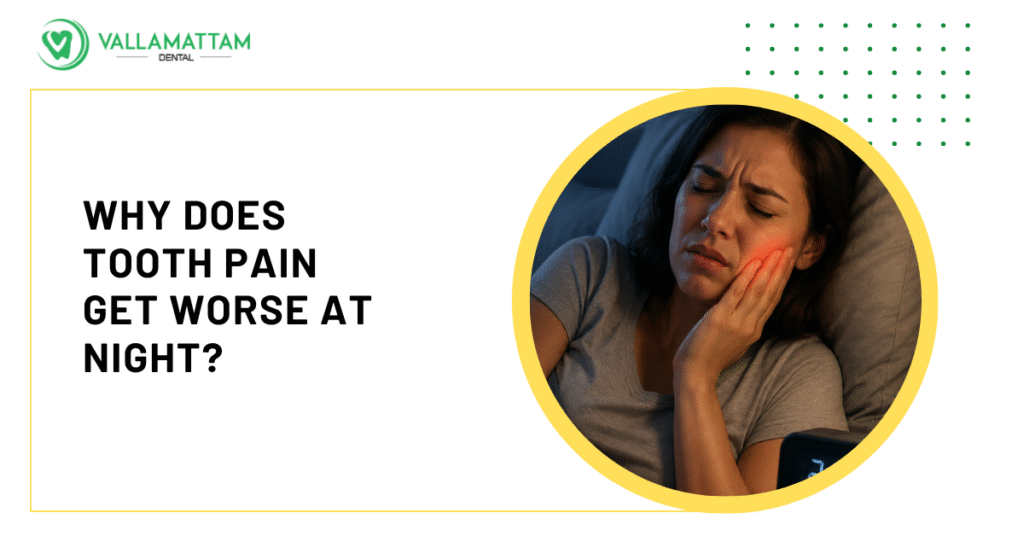
If you have ever been kept awake by a throbbing toothache, you are not alone. Tooth pain at night is a common complaint, and it often feels more intense than during the day. This is not just in your head—there are several reasons why a toothache worse at night can occur. Lying down increases blood flow to the head, which can put more pressure on an already inflamed tooth nerve. Additionally, there are fewer distractions at night, making you more aware of the discomfort. Understanding the possible causes can help you take the right steps toward relief and know when to seek professional dental care.
Common Causes of Tooth Pain at Night
Dental Infections and Abscesses
One of the most common reasons for throbbing tooth pain at night is a dental infection. This can occur when bacteria enter the inner part of the tooth (the pulp) through a cavity or crack. The infection can lead to an abscess, which is a pocket of pus that causes significant pressure and pain. Tooth infection symptoms may include persistent, sharp, or throbbing pain, sensitivity to hot or cold, swelling in the face or gums, and sometimes a bad taste in the mouth. If you notice these signs, it is important to see a dentist promptly, as an infection can spread if left untreated.
Tooth Decay and Cavities
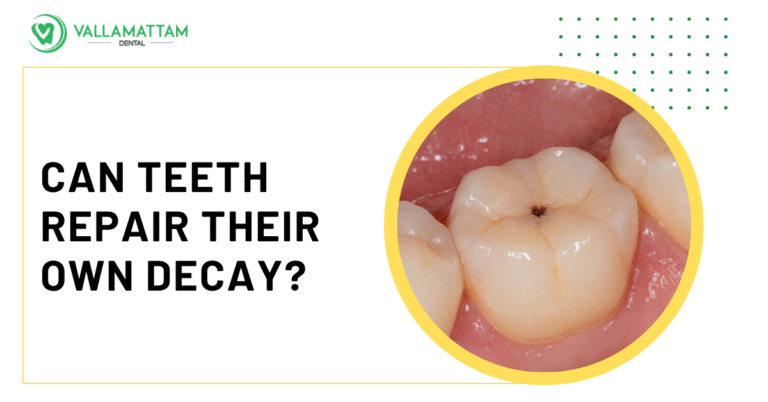
Untreated cavities can deepen over time, eventually reaching the tooth’s nerve. When you lie down, the increased blood flow can make the nerve more sensitive, leading to pain. Cavities may not always cause pain during the day, but they can become very noticeable at night. Regular dental check-ups can help catch cavities early before they cause significant discomfort.
Teeth Grinding (Bruxism)
Many people grind or clench their teeth during sleep without realizing it. This condition, known as bruxism, can put excessive pressure on teeth, jaw muscles, and joints. Over time, it can lead to tooth pain, jaw soreness, and even cracked teeth. If you wake up with a dull headache or a sore jaw along with tooth pain, bruxism may be a contributing factor. A dentist can often identify signs of grinding, such as worn tooth surfaces, and recommend a nightguard to protect your teeth.
Sinus Pressure and Congestion
Sometimes, what feels like a toothache is actually referred pain from the sinuses. The upper back teeth are located very close to the sinus cavities. When you have a sinus infection or congestion, the pressure can make these teeth ache, especially when you lie down. This type of pain often affects multiple teeth on one side and may be accompanied by nasal congestion, headache, or facial pressure. If you suspect sinus issues, treating the congestion may help relieve the tooth pain.
Gum Disease (Periodontitis)
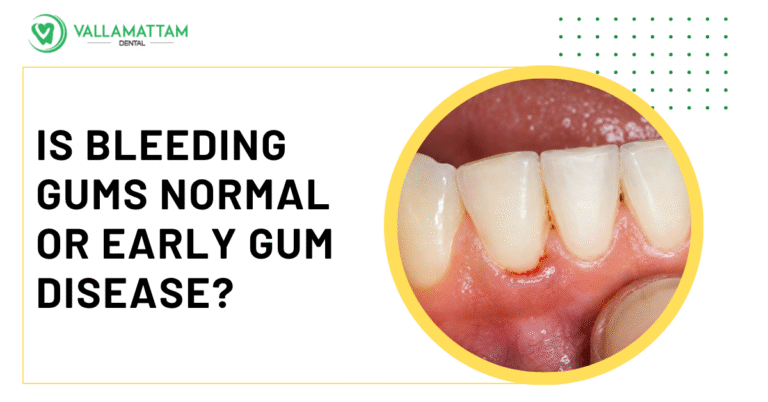
Advanced gum disease can cause the gums to pull away from the teeth, forming pockets where bacteria can accumulate. This can lead to infection, inflammation, and pain, which may become more noticeable at night. Gum disease is often painless in its early stages, but as it progresses, it can cause discomfort, bleeding, and even tooth mobility. Regular dental cleanings and good oral hygiene are key to preventing and managing gum disease.
Impacted Wisdom Teeth
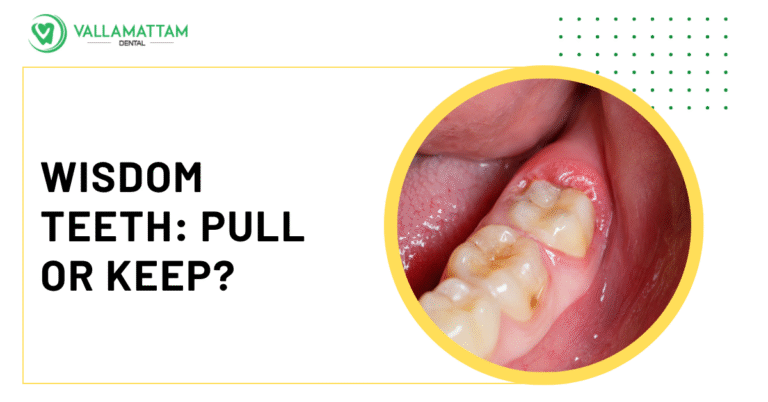
Wisdom teeth that do not have enough room to emerge properly can become impacted. This can cause pain, swelling, and pressure in the back of the mouth, which may worsen at night. Impacted wisdom teeth can also lead to infections or damage to neighboring teeth. If you are experiencing persistent pain in the back of your mouth, it is worth having your wisdom teeth evaluated by a dentist.
What Are the Symptoms of a Tooth Infection?
Recognizing tooth infection symptoms early can help you get treatment before the problem becomes more serious. Common signs include:
- Persistent, throbbing tooth pain that may radiate to the jaw, ear, or neck
- Sensitivity to hot or cold temperatures
- Swelling in the face, cheek, or gums
- Fever or general feeling of being unwell
- Bad breath or a foul taste in the mouth
- Difficulty opening your mouth or swallowing
If you experience any of these symptoms, especially with swelling or fever, it is important to seek dental care as soon as possible. An infection can spread to other parts of the body if not treated.
When Is Tooth Pain a Dental Emergency?
Not all tooth pain requires an emergency visit, but some situations do. You should consider seeking urgent dental care if you have:
- Severe pain that does not improve with over-the-counter pain relievers
- Swelling that is spreading to your face or neck
- Fever or signs of infection
- Difficulty breathing or swallowing
- Trauma to the tooth, such as a crack or fracture
In many cases, root canal symptoms like prolonged sensitivity to hot or cold, sharp pain when biting, or a pimple on the gums can indicate that the tooth’s nerve is damaged or infected. A root canal may be needed to save the tooth. If you are unsure, it is always best to contact a dentist for guidance.
How Can You Relieve Tooth Pain at Night?
While waiting for a dental appointment, there are some steps you can take to manage discomfort:
- Elevate your head: Sleeping with your head propped up on pillows can reduce blood flow to the head and lessen pressure on the tooth.
- Use a cold compress: Applying a cold pack to the outside of your cheek for 15-20 minutes can help reduce swelling and numb the area.
- Rinse with warm salt water: A saltwater rinse can help clean the mouth and reduce inflammation.
- Avoid certain foods: Stay away from very hot, cold, or sugary foods and drinks that can trigger pain.
- Take over-the-counter pain relievers: Medications like ibuprofen can help reduce pain and inflammation, but always follow the dosage instructions.
These are temporary measures. They do not treat the underlying cause, so it is important to see a dentist for a proper diagnosis and treatment plan.
How Can a Dentist Help?
A dentist can examine your teeth, take X-rays if needed, and determine the cause of your tooth pain at night. Treatment will depend on the underlying issue. For example, a cavity may be treated with a filling, while an infection may require a root canal or even extraction. If you grind your teeth, a custom nightguard can protect your teeth. At Vallamattam Dental in Kakkanad, Kochi, the team focuses on understanding your symptoms and providing gentle, effective care. They can help you find relief and prevent future problems.
How to Prevent Tooth Pain at Night
Prevention is always better than treatment. Here are some tips to reduce your risk of nighttime tooth pain:
- Brush twice a day with fluoride toothpaste and floss daily
- Visit your dentist regularly for check-ups and cleanings
- Address cavities early before they become painful
- If you grind your teeth, ask your dentist about a nightguard
- Maintain a healthy diet low in sugary snacks and drinks
Good oral hygiene and routine dental visits are your best defense against tooth pain and other dental problems.
Frequently Asked Questions
Why is my toothache worse at night?
When you lie down, blood flow to your head increases, which can put more pressure on an inflamed tooth nerve. Additionally, there are fewer distractions at night, making you more aware of the pain.
Can a tooth infection go away on its own?
No, a tooth infection will not go away without treatment. It may temporarily improve, but the infection can spread and cause more serious health problems. Dental evaluation is essential.
Is throbbing tooth pain always a sign of infection?
Throbbing pain often indicates inflammation or infection in the tooth’s pulp, but it can also be caused by other issues like grinding or sinus pressure. A dentist can confirm the cause.
How do I know if I need a root canal?
Common root canal symptoms include severe tooth pain when chewing, prolonged sensitivity to hot or cold, darkening of the tooth, and swelling or tenderness in the gums. Only a dentist can determine if a root canal is needed.
When should I go to the emergency dentist?
You should seek emergency care if you have severe pain, swelling that spreads, fever, difficulty breathing or swallowing, or trauma to the tooth. If in doubt, call your dentist for advice.
Conclusion
Tooth pain at night can be disruptive and worrying, but understanding the possible causes can help you take the right steps. Whether it is a cavity, infection, grinding, or sinus issue, a dentist can provide a proper diagnosis and effective treatment. If you are experiencing persistent or severe tooth pain, do not wait. Contact a dental professional to get the care you need. For those in Kakkanad, Kochi, Vallamattam Dental offers compassionate, expert care to help you find relief and restore your oral health. Remember, early treatment can often save a tooth and prevent more serious complications.