Cavity vs Root Canal Symptoms: Why the Difference Matters
Tooth pain can be confusing. A small cavity, a deep cavity, gum irritation, cracked tooth, or infection can all create discomfort that feels similar at first. That is why many patients search for cavity vs root canal symptoms when they are unsure whether the problem may need a filling, root canal treatment, or another type of care.
The simple answer is that a cavity usually starts as tooth decay affecting the outer layers of the tooth. A root canal may be considered when decay, trauma, or cracks affect the inner nerve tissue of the tooth. However, symptoms alone cannot confirm the right treatment. A dentist can examine the tooth, check your bite, and use an X-ray when needed.
This guide explains common patterns of cavity pain, possible signs you need a root canal, and the warning signs that should not be ignored.
What Usually Happens With a Cavity?
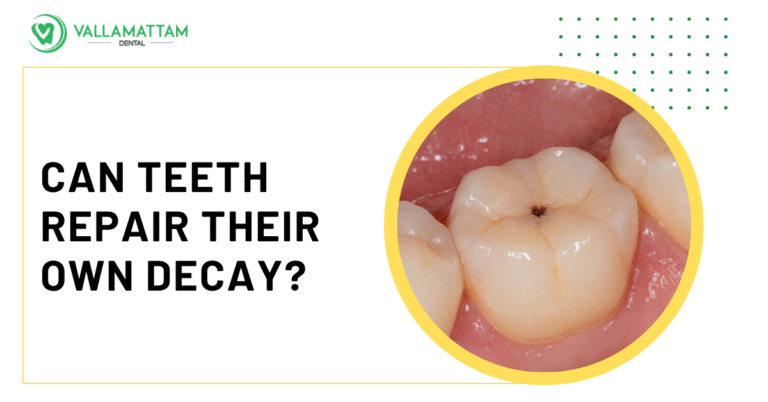
A cavity is an area of tooth decay. It may begin in the enamel, which is the hard outer layer of the tooth. In early stages, a cavity may not cause pain at all. Some people only find out during a routine dental checkup.
As decay becomes deeper, it can reach the dentin, a more sensitive layer under the enamel. At this stage, symptoms may become more noticeable, especially when eating sweet foods or drinking cold beverages.
Common cavity symptoms
- Mild to moderate sensitivity to cold, sweets, or air
- Food getting stuck in one area repeatedly
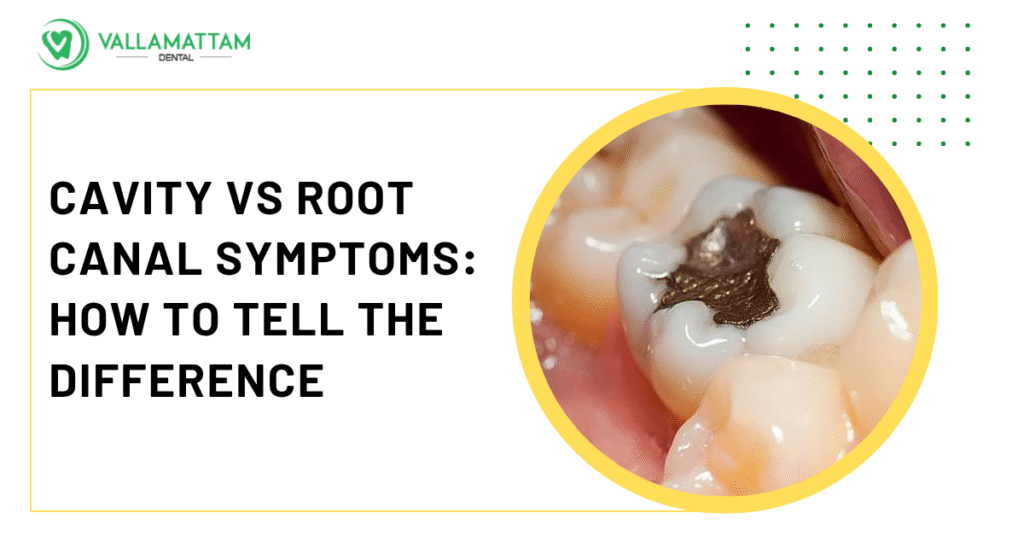
- A rough edge, small hole, or dark spot on a tooth
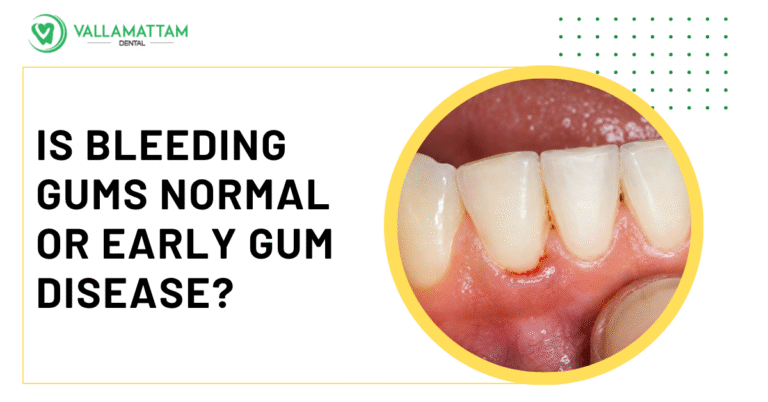
- Pain that comes and goes rather than staying constant
- Discomfort while chewing on a particular tooth
These symptoms do not always mean the tooth can be treated with a filling, but they often suggest that a dental evaluation is needed before the decay becomes deeper.
What Are Root Canal Symptoms?
Root canal symptoms may appear when the pulp, which contains nerves and blood vessels inside the tooth, becomes inflamed or infected. This can happen because of untreated decay, a deep crack, repeated dental work, or injury to the tooth.
Root canal symptoms vs cavity pain can overlap, but root canal-related discomfort is often more persistent, deeper, or linked with swelling and pressure. Still, only a dental examination and X-ray can confirm whether root canal treatment is needed.
Possible signs you need a root canal evaluation
- Tooth pain that lingers after hot or cold drinks
- Throbbing pain or pressure in one tooth
- Pain that wakes you up or disturbs sleep
- Swelling in the gum near the painful tooth
- A pimple-like bump on the gum
- Pain when biting or tapping the tooth
- Darkening of a tooth after trauma
These are warning signs that the tooth may need more than a simple filling. In some cases, urgent dental care may be needed, especially if swelling or fever is present.
Do I Need a Root Canal or Filling?
The question do I need a root canal or filling is common, but the answer depends on how far the problem has reached. A filling may be suitable when decay is limited to the outer or middle layers of the tooth and the nerve is healthy.
A root canal may be considered when the nerve tissue is inflamed, infected, or unlikely to recover. The goal of a root canal is to clean the inside of the tooth and help preserve the natural tooth where possible.
A dentist may assess:
- How deep the cavity appears on examination
- Whether the tooth responds normally to cold or heat
- Whether pain lingers after the stimulus is removed
- Whether there is swelling, pus, or gum tenderness
- What the X-ray shows around the root of the tooth
This is why guessing based on pain alone can be risky. Some deep cavities cause surprisingly little pain, while some sensitive teeth may not need root canal treatment.
Tooth Decay vs Infection Symptoms
Understanding tooth decay vs infection symptoms can help you decide how quickly to book a dental visit. Tooth decay symptoms often start slowly. You may notice sensitivity, food trapping, or a visible spot on the tooth.
Infection symptoms can be more serious. They may include swelling, pus, bad taste in the mouth, fever, facial swelling, or pain that becomes difficult to manage. These symptoms should be checked promptly because dental infections can spread beyond the tooth area.
If you have swelling, severe pain, fever, pus, trauma, or tooth pain that affects sleep, it is better not to wait for the pain to settle on its own.
When Is a Cavity Too Deep?
Many people ask, when is a cavity too deep? A cavity may be considered deep when it has moved close to the pulp or has already affected the nerve tissue. At this stage, a simple filling may not be enough in every case.
Possible signs of a deeper cavity include lingering sensitivity, pain while chewing, a large visible hole, or pain that continues without an obvious trigger. However, symptoms are not always reliable. An X-ray helps show how close the decay is to the nerve and whether the root area looks healthy.
Early treatment usually gives the dentist more options. Waiting until pain becomes severe can make treatment more complex.
When Should You See a Dentist?
You should consider a dental checkup if tooth sensitivity lasts more than a few days, if pain keeps returning in the same tooth, or if food is repeatedly getting stuck. A checkup is also important if you see a hole, crack, dark spot, or gum swelling.
Seek urgent dental advice if you have severe pain, swelling of the face or gums, fever, pus discharge, recent trauma, or pain that disturbs sleep. These symptoms may indicate infection or nerve involvement and should not be ignored.
If you are in Kakkanad or Kochi and are unsure about cavity vs root canal symptoms, Vallamattam Dental can help with an examination and appropriate X-rays where needed. The aim is to understand the cause first, then discuss suitable treatment options without pressure.
A Practical Way to Think About the Pain
Short, sharp sensitivity to cold or sweets may point toward enamel or dentin irritation, including a cavity. Lingering pain, throbbing, swelling, or pain on biting may suggest deeper involvement. But these are only clues, not a diagnosis.
The most useful step is to get the tooth assessed before symptoms worsen. A dentist can confirm whether the tooth may need monitoring, a filling, root canal treatment, or another approach.
FAQs
Can a cavity feel like root canal pain?
Yes. A deep cavity can cause pain that feels similar to nerve-related pain. The difference often depends on depth, nerve response, and X-ray findings.
Does severe tooth pain always mean I need a root canal?
No. Severe pain can have several causes, including decay, gum infection, cracks, sinus pressure, or bite-related issues. A dentist can confirm the cause.
Can a cavity be fixed with a filling if it is deep?
In some cases, yes. In other cases, if the pulp is inflamed or infected, root canal treatment may be needed. Examination and X-rays guide the decision.
What are the warning signs of tooth infection?
Swelling, pus, fever, bad taste, facial swelling, and constant throbbing pain can be warning signs. These symptoms should be checked promptly.
Should I wait if tooth pain comes and goes?
It is better to schedule a checkup if the pain keeps returning. Early assessment can help prevent a small problem from becoming more complicated.
Final Takeaway
Cavity pain and root canal symptoms can overlap, so it is not always possible to know the right treatment from symptoms alone. If pain is persistent, worsening, or linked with swelling, a dental checkup is the safest next step.
For clear guidance in Kakkanad, you can book a consultation at Vallamattam Dental and have the tooth evaluated before deciding on treatment.