Why Tooth Sensitivity After Cold Drinks Happens
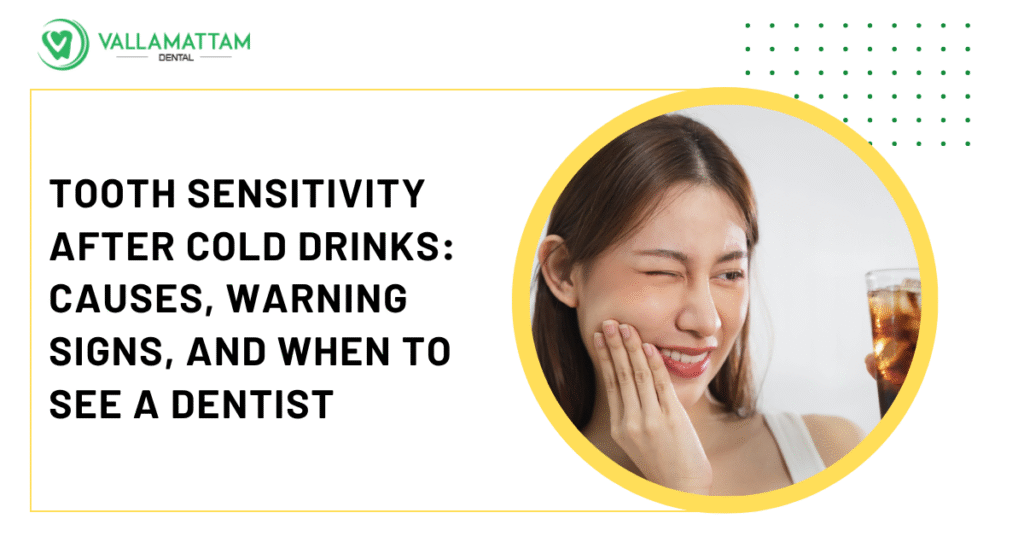
Tooth sensitivity is a sharp, sudden discomfort that can appear when you drink cold water, sip a chilled juice, eat ice cream, or breathe in cool air. For some people, the feeling lasts only a few seconds. For others, it may linger, repeat often, or affect daily eating and drinking.
Tooth sensitivity after cold drinks does not always mean something serious. It can be related to enamel wear, exposed root surfaces, small cavities, gum recession, recent dental treatment, or even aggressive brushing. However, repeated cold sensitivity can also be an early warning sign that a tooth needs attention before the problem becomes more painful or complex.
The important point is not to guess the cause based only on the sensation. A dentist can confirm what is happening through an examination and, when needed, an X-ray. This helps separate simple sensitivity from tooth decay, a cracked tooth, or nerve irritation.
What Tooth Sensitivity Feels Like
Most patients describe cold sensitivity as a quick, electric, or stinging pain. It usually appears when cold touches the tooth and then settles after the trigger is removed. The discomfort may affect one tooth, a few teeth, or a whole area of the mouth.
Common patterns include:
- A short sharp pain while drinking cold water or soft drinks
- Sensitivity while eating ice cream or chilled fruit
- Discomfort when brushing near the gum line
- Pain that is worse on one side while chewing or biting (see our guide on tooth sensitivity when eating)
- A cold sensation that lingers for several seconds or longer
Short sensitivity can be linked to exposed dentin, but lingering pain may suggest deeper irritation inside the tooth. The duration, location, and trigger pattern all help a dentist decide what to check.
Common Causes of Tooth Sensitivity After Cold Drinks
1. Enamel Wear
Enamel is the hard outer layer of the tooth. When enamel becomes thin or worn, the inner dentin layer may react more strongly to cold. Acidic drinks, frequent snacking, teeth grinding, and brushing too hard can contribute to enamel wear over time.
2. Gum Recession
When gums move down from their normal position, the root surface of the tooth can become exposed. Root surfaces do not have the same enamel protection as the crown of the tooth, so cold drinks can cause a sharp response. Gum recession may be linked to gum disease, brushing technique, age-related changes, or tooth position.
3. Tooth Decay
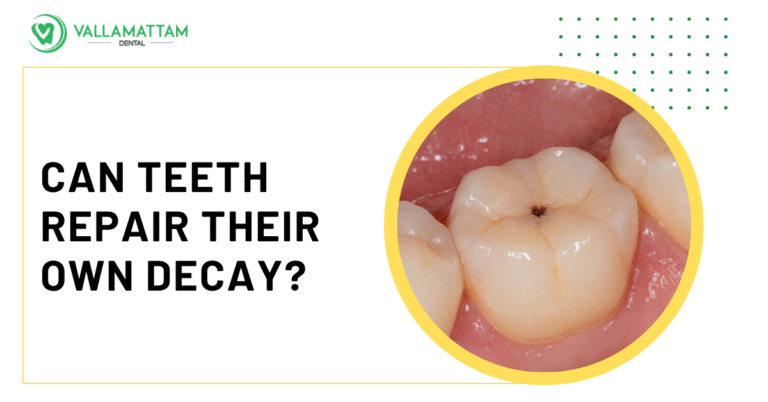
A cavity can make a tooth sensitive when decay reaches deeper layers. Early decay may not hurt at all, while a deeper cavity may react to cold, sweet foods, or pressure. In some cases, tooth sensitivity may be one of the first signs that a cavity needs treatment.
4. Cracks or Worn Fillings
A small crack, leaking filling, or worn dental restoration can allow cold to reach sensitive inner areas. The pain may be hard to locate and may appear only when biting or when cold liquid touches a specific tooth. A dental checkup can help identify cracks that are not easy to see at home.
5. Recent Dental Treatment
Temporary sensitivity can occur after scaling, fillings, crowns, whitening, or other dental procedures. This often improves with time, but sensitivity that becomes stronger, lasts longer, or affects chewing should be reviewed by a dentist.
When Is Tooth Sensitivity a Warning Sign?
Not every sensitive tooth needs urgent treatment, but some symptoms should not be ignored. A checkup is especially important if the sensitivity is new, getting worse, limited to one tooth, or interfering with normal eating and drinking.
You should consider a dental visit if you notice:
- Cold pain that lingers after the drink is swallowed
- Sensitivity in one specific tooth rather than many teeth
- Pain with biting, chewing, or tapping the tooth
- Visible holes, dark spots, or food trapping in a tooth
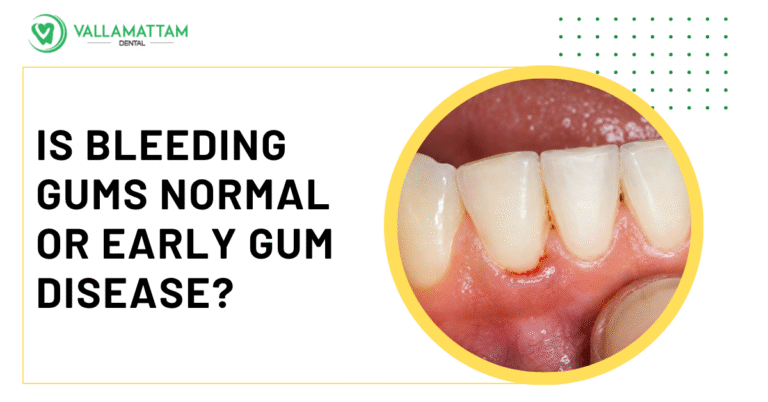
- Bleeding gums, gum swelling, or gum recession
- A filling or crown that feels loose, rough, or broken
Urgent dental care is advisable if there is swelling, severe pain, fever, pus, facial swelling, dental trauma, or pain that disturbs sleep. These symptoms may suggest infection or deeper inflammation that needs timely evaluation.
Can Home Care Help Tooth Sensitivity?
Home care may help when sensitivity is mild and related to exposed dentin or brushing habits. Using a soft-bristled toothbrush, brushing gently, and avoiding frequent acidic drinks can reduce irritation. A desensitising toothpaste may also help over several weeks when used consistently.
Practical steps include:
- Use a soft toothbrush and avoid scrubbing the gum line
- Limit frequent sipping of acidic drinks such as cola or citrus drinks
- Rinse with plain water after acidic foods or drinks
- Do not brush immediately after acidic drinks; wait for some time
- Use desensitising toothpaste as advised on the label or by a dentist
- Avoid chewing ice or biting very hard foods if one tooth feels sensitive
These steps can support oral health, but they should not replace a dental examination when pain is persistent, one-sided, or worsening. Sensitivity caused by decay, cracks, gum disease, or nerve inflammation usually needs professional care.
How a Dentist Checks Tooth Sensitivity
A dentist will usually ask when the pain started, what triggers it, how long it lasts, and whether chewing causes discomfort. The clinical examination may include checking the gums, looking for cavities or cracks, testing the bite, and assessing existing fillings or crowns.
An X-ray may be recommended if decay, infection, bone changes, or a deep cavity is suspected. This is important because the outside of a tooth may look normal even when the problem is deeper. Only a dental examination and X-ray, when needed, can confirm the correct treatment.
Treatment depends on the cause. Options may include fluoride application, desensitising care, gum treatment, a filling, repair of an old restoration, a crown, or root canal treatment in selected cases. A dentist can explain which option is suitable after checking the tooth properly.
When to Book a Consultation
If tooth sensitivity after cold drinks happens once and settles quickly, you can observe it while improving brushing habits and reducing acidic triggers. If it keeps coming back, affects one tooth, or comes with chewing pain, it is better to get it checked before it progresses.
For patients in Kakkanad and nearby areas of Kochi, Vallamattam Dental can help evaluate tooth sensitivity in a calm, practical way. The goal is to identify the cause early and guide you toward the least invasive appropriate care where possible.
If cold drinks have become uncomfortable or you are unsure whether the sensitivity is minor or a sign of decay, you may book a dental consultation for a clear assessment.
FAQs
Is tooth sensitivity after cold drinks normal?
Occasional brief sensitivity can happen, especially with enamel wear or exposed root surfaces. Repeated, worsening, or one-tooth sensitivity should be checked by a dentist.
Does tooth sensitivity mean I have a cavity?
Not always. Tooth sensitivity can be caused by enamel wear, gum recession, cracks, recent dental work, or tooth decay. A dentist can confirm the cause after examination.
When should I worry about cold sensitivity?
You should be more careful if the pain lingers, affects one tooth, occurs with biting, disturbs sleep, or comes with swelling, fever, pus, or facial swelling.
Can desensitising toothpaste fix the problem?
It may help mild sensitivity linked to exposed dentin, but it will not treat cavities, cracks, infection, or loose fillings. Persistent symptoms need a dental checkup.
Will I need a root canal for tooth sensitivity?
Cold sensitivity alone does not always mean root canal treatment is needed. In some cases, deep decay or nerve inflammation may require it, but only a dentist can confirm after checking the tooth and reviewing an X-ray if needed.