What is the difference between a root canal and a tooth extraction?
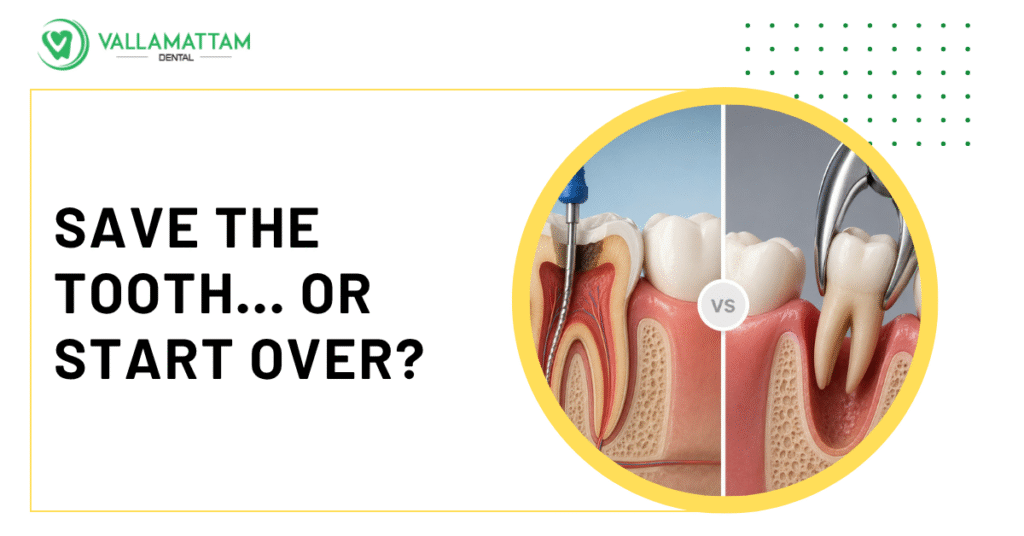
A root canal is a procedure that removes infected or damaged pulp from inside a tooth, cleans and disinfects the root canals, and then seals the tooth to prevent further infection. The tooth remains in place and can function normally with a crown or filling. A tooth extraction, on the other hand, involves removing the entire tooth from its socket in the jawbone. This is usually considered when a tooth is too damaged or infected to be saved, or when other factors like crowding or severe gum disease make extraction the better option.
Both procedures aim to relieve pain and prevent the spread of infection, but they have different long-term implications for your oral health. A root canal preserves your natural tooth, which helps maintain jawbone density and keeps adjacent teeth from shifting. An extraction removes the problem tooth, but may require a replacement like an implant, bridge, or partial denture to prevent future dental issues.
How do dentists decide between a root canal and extraction?
Dentists evaluate several factors to determine whether a root canal or extraction is more appropriate. The decision is based on a thorough examination, including X-rays, and a discussion of your overall health and preferences. Key considerations include:
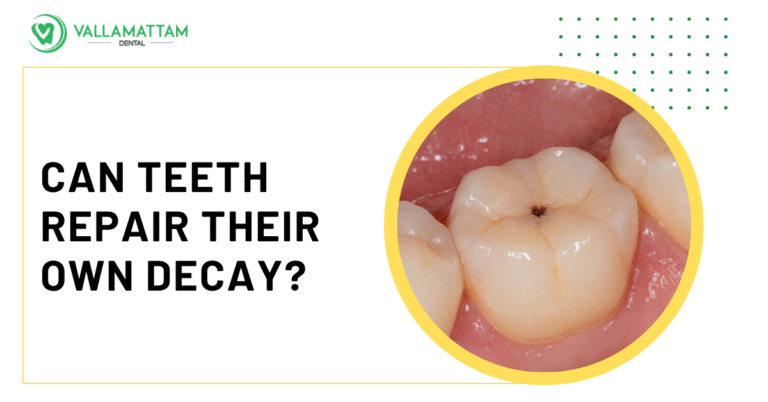
- Extent of tooth damage or decay: If the tooth has a large cavity that extends deep into the pulp, but the surrounding tooth structure is still strong, a root canal may be possible. If the decay is too extensive or the tooth is fractured below the gumline, extraction may be recommended.
- Infection severity and location: A root canal can often treat an infected pulp, but if the infection has spread to the surrounding bone or caused an abscess that cannot be drained, extraction may be necessary to eliminate the source of infection.
- Tooth structure and restorability: The dentist assesses how much healthy tooth remains. If there is enough structure to support a crown after a root canal, saving the tooth is usually preferred. If the tooth is too weak or broken, extraction may be the only option.
- Gum and bone health: Advanced gum disease (periodontitis) can weaken the supporting bone and gums. If the tooth has lost significant bone support, extraction may be more predictable than a root canal.
- Your overall health: Certain medical conditions, such as uncontrolled diabetes or a weakened immune system, can affect healing after a root canal. In some cases, extraction may be safer to avoid prolonged infection risk.
- Cost and treatment goals: Root canals are often more expensive than extractions, but they preserve the natural tooth. Your dentist will discuss the long-term costs and benefits, including the need for a crown after a root canal or a replacement tooth after extraction.
When is a root canal the better option?
A root canal is generally recommended when the tooth can be saved and the infection or damage is confined to the pulp. Signs that a root canal may be suitable include:
- Persistent tooth pain, especially when chewing or applying pressure
- Prolonged sensitivity to hot or cold temperatures
- Darkening or discoloration of the tooth
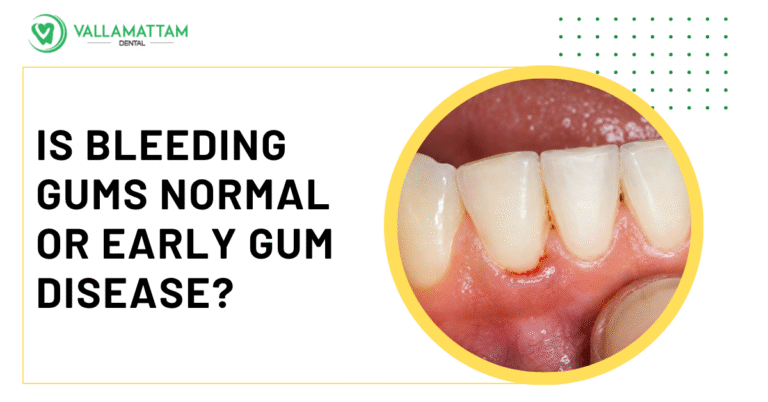
- Swelling or tenderness in the nearby gums
- A small pimple-like bump on the gum (fistula) that may drain pus
If the tooth has enough healthy structure and the infection has not destroyed the surrounding bone, a root canal can effectively save the tooth. After the procedure, the tooth is usually restored with a crown to protect it and restore full function. Many patients find that a root canal relieves pain and allows them to keep their natural tooth for years.
When is tooth extraction the better option?
Tooth extraction may be recommended when a root canal is not feasible or when removing the tooth offers a better long-term outcome. Common reasons for extraction include:
- Severe decay that has destroyed most of the tooth structure
- A tooth that is fractured vertically or below the gumline
- Advanced gum disease that has caused significant bone loss
- An abscess that cannot be drained or that has spread to the jawbone
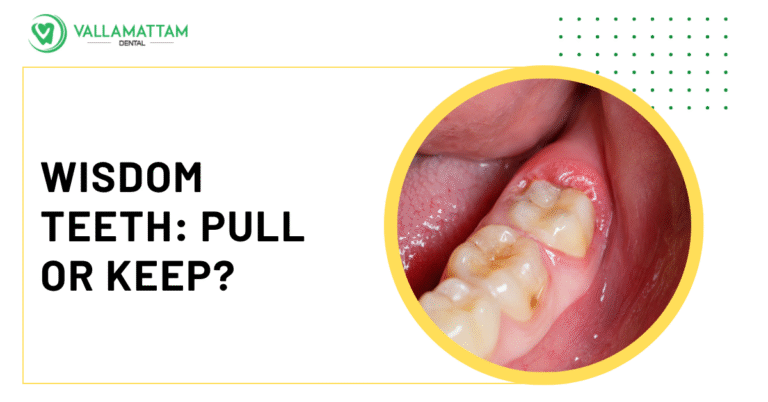
- Impacted wisdom teeth or teeth causing crowding
- Teeth that are non-restorable due to trauma or infection
Extraction is also sometimes chosen for financial or practical reasons, especially if the tooth is not critical for chewing or appearance. However, it is important to discuss replacement options with your dentist, as missing teeth can lead to shifting of adjacent teeth, bite problems, and bone loss over time.
What are the risks and benefits of each treatment?
Root canal benefits and risks
Benefits: Preserves your natural tooth, maintains jawbone density, prevents adjacent teeth from shifting, and allows normal chewing function. Modern root canal treatment is often comfortable and has a high success rate.
Risks: The tooth may become brittle over time and require a crown. In rare cases, reinfection can occur if the seal is compromised or if there are additional canals that were not treated. Some patients may experience temporary discomfort after the procedure.
Tooth extraction benefits and risks
Benefits: Removes the source of infection or pain completely, often provides immediate relief, and is usually less expensive than a root canal. It may be the only option for severely damaged teeth.
Risks: Missing teeth can cause adjacent teeth to shift, leading to bite problems and increased risk of decay or gum disease. Bone loss in the extraction site can occur over time. You may need a replacement tooth, such as an implant, bridge, or partial denture, to maintain oral function and appearance.
Can a root canal fail and lead to extraction later?
In some cases, a root canal may not fully resolve the infection or the tooth may become reinfected. This can happen if the tooth has complex root canals that were not fully cleaned, if the crown or filling leaks, or if new decay develops. If a root canal fails, retreatment (a second root canal) or an apicoectomy (surgical removal of the root tip) may be options. However, if the tooth is too damaged or the infection persists, extraction may be the final recommendation.
What should you expect during a root canal procedure?
A root canal is typically performed by a dentist or an endodontist. The area is numbed with local anesthesia, and a rubber dam is placed around the tooth to keep it dry. The dentist makes a small opening in the tooth, removes the infected pulp, cleans and shapes the root canals, and then fills them with a biocompatible material called gutta-percha. The tooth is then sealed with a temporary or permanent filling. A follow-up appointment is usually needed to place a crown. Most patients experience little to no pain during the procedure, and any discomfort afterward can often be managed with over-the-counter pain relievers.
What should you expect during a tooth extraction?
Tooth extraction can be simple or surgical. A simple extraction is done on a tooth that is visible in the mouth and is loosened with an instrument called an elevator and then removed with forceps. A surgical extraction is more complex and may involve making an incision in the gum or removing bone around the tooth. Local anesthesia is used, and sedation options may be available for anxious patients. After extraction, you will need to follow care instructions to promote healing, such as avoiding straws, smoking, and strenuous activity for a few days.
How do you know which treatment is right for you?
Only a dentist can determine the best course of action after a clinical examination and X-rays. If you are experiencing tooth pain, swelling, or other symptoms, it is important to schedule an evaluation as soon as possible. Delaying treatment can allow infection to spread and may reduce the chances of saving the tooth. Your dentist will explain the pros and cons of each option based on your specific situation and help you make an informed decision.
Frequently asked questions about root canal vs extraction
Is a root canal painful?
With modern anesthesia and techniques, a root canal is no more painful than getting a filling. Most patients report that the procedure itself is comfortable, and any soreness afterward is usually mild and temporary.
Can I avoid a root canal by extracting the tooth?
Yes, extraction is an option, but it is generally considered a last resort. Removing a tooth can lead to other dental problems, so dentists usually try to save the natural tooth whenever possible.
How long does a root canal last?
A properly done root canal can last a lifetime with good oral hygiene and regular dental checkups. The tooth may need a crown to protect it, and the crown may need replacement after 10–15 years.
Do I need a tooth replacement after extraction?
It is often recommended to replace an extracted tooth, especially if it is a back tooth used for chewing or a front tooth visible when you smile. Options include dental implants, bridges, or partial dentures. Your dentist can help you choose the best replacement based on your needs.
Can a root canal cause health problems?
There is no scientific evidence linking root canals to systemic health problems. Root canal treatment is a safe and effective way to save an infected tooth and prevent the spread of infection.
Conclusion: Making the right choice for your dental health
Deciding between a root canal and a tooth extraction is a personal and clinical decision. Both treatments have their place in modern dentistry, and the best choice depends on the condition of your tooth, your overall health, and your long-term goals. If you are experiencing tooth pain or have been told you need a root canal or extraction, the team at Vallamattam Dental in Kakkanad, Kochi, can provide a thorough evaluation and guide you through your options. Contact our clinic to schedule a consultation and take the first step toward relief and a healthy smile.