Why Are My Gums Bleeding When I Brush?
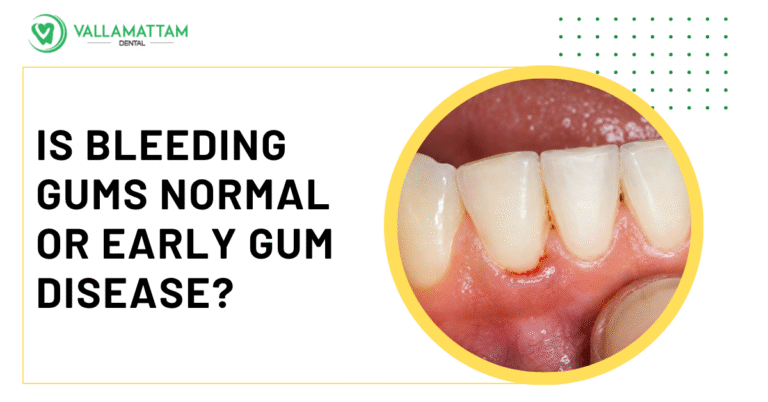
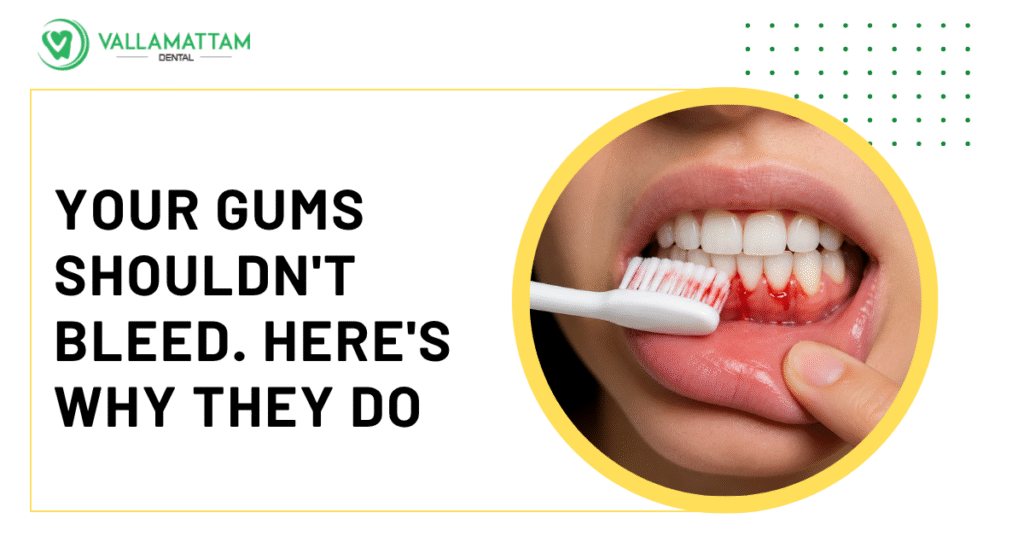
If you notice blood when brushing or flossing, you may be wondering, “Why are my gums bleeding?” Bleeding gums when brushing is a common concern and often indicates that your gums are inflamed. The most frequent cause is plaque buildup along the gumline, which can lead to gingivitis, the earliest stage of gum disease. While occasional minor bleeding may not be serious, persistent bleeding should not be ignored. A dentist can help determine the underlying cause and recommend appropriate care.
What Causes Bleeding Gums When Brushing?
Several factors can contribute to bleeding gums. Understanding the cause is the first step toward healthier gums.
Plaque and Tartar Buildup
When plaque—a sticky film of bacteria—accumulates on teeth, it can irritate the gums. If not removed through regular brushing and flossing, plaque hardens into tartar, which can only be removed by a dental professional. This buildup often leads to gum inflammation and bleeding.
Gingivitis (Early Gum Disease)
Gingivitis is a mild form of gum disease characterized by red, swollen gums that may bleed easily. It is usually caused by poor oral hygiene. The good news is that gingivitis is reversible with improved oral care and professional dental cleaning.
Brushing Too Hard or Using a Hard-Bristled Toothbrush
Aggressive brushing or using a toothbrush with hard bristles can damage delicate gum tissue, causing bleeding. Switching to a soft-bristled toothbrush and using gentle, circular motions can help.
Hormonal Changes
Pregnancy, puberty, menopause, and menstrual cycles can make gums more sensitive and prone to bleeding. This is often temporary, but maintaining good oral hygiene is still important.
Medications
Certain medications, such as blood thinners (anticoagulants) or some anti-inflammatory drugs, can increase the likelihood of gum bleeding. Always inform your dentist about any medications you are taking.
Other Health Conditions
Systemic conditions like diabetes, vitamin deficiencies (especially vitamin C and K), or immune disorders can also contribute to gum bleeding. In some cases, bleeding gums may be a sign of a more serious underlying issue.
What Are the Symptoms of Gum Disease?
Bleeding gums are often one of the first signs of gum disease. Other symptoms may include:
- Red, swollen, or tender gums
- Gums that pull away from teeth (receding gums)
- Persistent bad breath or a bad taste in the mouth
- Loose teeth or changes in bite
- Pus between teeth and gums
If you experience any of these symptoms, it is advisable to schedule a dental evaluation.
How Is Bleeding Gums Treated?
Treatment depends on the underlying cause. For mild cases, improving oral hygiene at home may be enough. For more advanced gum disease, professional gum care and periodontal treatment is often needed.
Professional Dental Cleaning
A routine dental cleaning removes plaque and tartar from above and below the gumline. This is often the first step in treating bleeding gums caused by gingivitis. At Vallamattam Dental in Kakkanad, Kochi, our team provides gentle, thorough cleanings to help restore gum health.
Scaling and Root Planing
For more significant tartar buildup or periodontitis (advanced gum disease), a deep cleaning procedure called scaling and root planing may be recommended. This involves cleaning below the gumline and smoothing the tooth roots to help gums reattach.
Improved Oral Hygiene at Home
Brushing twice a day with a soft-bristled toothbrush, flossing daily, and using an antiseptic mouthwash can help reduce plaque and prevent gum bleeding. Your dentist can show you the proper technique.
Addressing Underlying Health Issues
If a medical condition or medication is contributing to bleeding gums, your dentist may work with your doctor to manage it.
When Should I See a Dentist for Bleeding Gums?
You should see a dentist if:
- Bleeding persists for more than a few days despite good oral hygiene
- Bleeding is severe or occurs frequently
- You notice other symptoms like swelling, pain, or loose teeth
- You have a medical condition that increases your risk of gum problems
- You are pregnant or taking blood-thinning medications
Early evaluation can prevent minor issues from becoming more serious. Our team at Vallamattam Dental is here to help you understand your gum health and provide personalized care.
How Can I Prevent Bleeding Gums?
Prevention is key to maintaining healthy gums. Here are some practical tips:
- Brush gently twice a day with a soft-bristled toothbrush
- Floss daily to remove plaque between teeth
- Use an antibacterial mouthwash if recommended by your dentist
- Eat a balanced diet rich in vitamins C and K
- Avoid tobacco products
- Visit your dentist regularly for check-ups and cleanings
For more information on maintaining good oral health, explore our general dentistry services.
Frequently Asked Questions About Bleeding Gums
Is it normal for gums to bleed when brushing?
Occasional minor bleeding can happen, but persistent bleeding is not normal and often indicates gum inflammation or disease. A dentist can help determine the cause.
Can bleeding gums be a sign of something serious?
In some cases, yes. Bleeding gums can be linked to gum disease, vitamin deficiencies, or systemic conditions like diabetes. If you are concerned, consult a dentist.
Will bleeding gums go away on their own?
Mild bleeding due to temporary irritation may resolve with improved oral hygiene. However, if the cause is plaque buildup or gum disease, professional treatment is often needed.
How often should I get a dental cleaning?
Most people benefit from a professional cleaning every six months. Your dentist may recommend more frequent visits if you have gum disease or other risk factors.
What should I do if my gums bleed after flossing?
If you are new to flossing, some bleeding is common and should stop within a week as your gums become healthier. If bleeding persists, check your technique or consult your dentist.
Conclusion: Take the First Step Toward Healthier Gums
Bleeding gums when brushing is a signal that your gums need attention. While it can often be managed with better oral hygiene and professional care, ignoring it may lead to more serious gum disease. If you are experiencing persistent bleeding, swelling, or other symptoms, consider scheduling a dental evaluation. At Vallamattam Dental in Kakkanad, Kochi, we offer gentle, comprehensive care to help you achieve and maintain healthy gums. Contact our clinic to book an appointment or learn more. For additional tips and information, visit our dental blog.