Why Does My Tooth Hurt When I Chew?
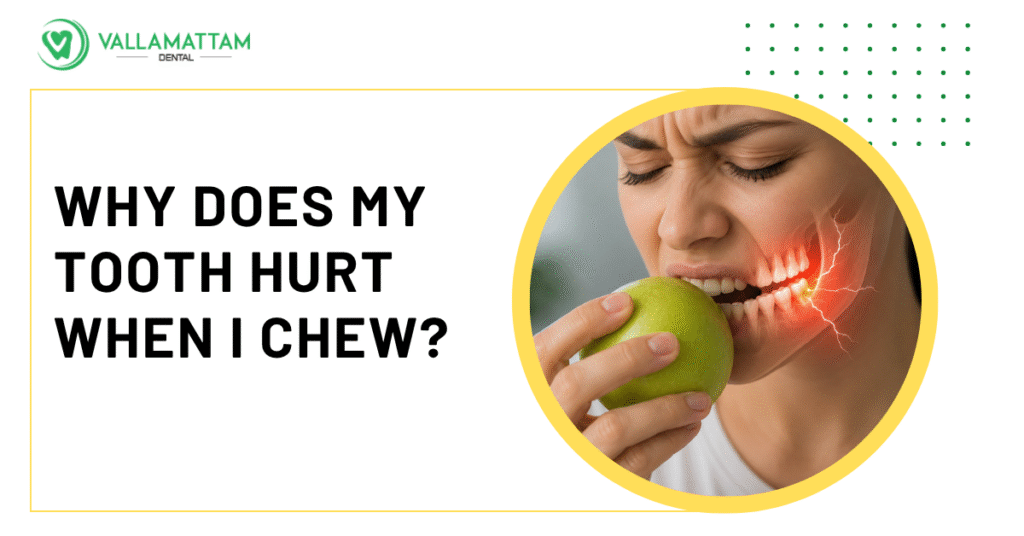
Tooth pain when chewing can feel worrying because it often appears during a normal daily activity: eating. The pain may be sharp when you bite down, dull after a meal, or present only when chewing on one side. Sometimes it is mild and occasional. In other cases, it can become strong enough that you avoid using the tooth.
There is no single cause for pain when biting down. It may come from a cavity, a cracked tooth, gum inflammation, a high filling, tooth grinding, or an infection around the root. Because these problems can feel similar, a dentist has to examine the tooth and may use an X-ray or other tests to confirm the reason.
This guide explains common causes of tooth pain when chewing, what symptoms may mean, and when it is sensible to book a dental checkup.
Common Reasons for Tooth Pain When Chewing
Pain while chewing usually means that pressure on the tooth, gum, or surrounding bone is triggering discomfort. The pattern of pain can give clues, but it should not be used as a definite diagnosis. A general dental checkup can help identify whether the issue is simple, developing, or urgent.
Common causes include:
- A cavity that has reached the deeper tooth layers
- A cracked tooth or cracked filling
- A filling, crown, or restoration that is slightly high
- Inflammation or infection near the tooth root
- Gum disease or a deep gum pocket around the tooth
- Food packing tightly between teeth
- Tooth grinding or clenching that overloads the bite
- A recent dental procedure that still needs time to settle
The important point is that chewing pain is not always about decay. Even a tooth that looks normal from the outside may have a crack, bite stress, or gum-related issue.
Cavity Pain When Chewing
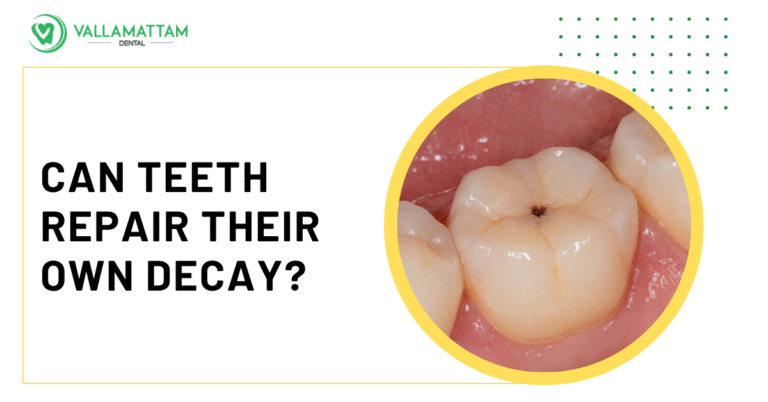
A cavity may cause pain when chewing if decay has weakened the tooth or moved closer to the inner dentine. Early cavities can be painless, but deeper decay can make the tooth sensitive to pressure, cold, sweet foods, or hot drinks. Food may also get trapped in the cavity, causing irritation each time you bite.
Cavity pain may feel like a dull ache, a sharp catch, or discomfort that lingers after eating. If the decay is close to the nerve, the tooth may become more sensitive and the pain may last longer. In some cases, a simple filling may be enough. In deeper cases, the dentist may need to check whether the nerve has been affected before recommending treatment.
Only a clinical examination and, when needed, an X-ray can show how far the decay has spread and whether a filling, crown, or another treatment is appropriate.
Could It Be a Cracked Tooth?
A cracked tooth is one of the classic reasons for pain when biting down. The pain may happen when you bite on something firm, or it may be sharper when you release the bite. Cracks can be difficult to see, especially if they are very fine or hidden under an old filling.
Cracked tooth symptoms may include:
- Sharp pain on biting or releasing pressure
- Pain that comes and goes rather than staying constant
- Sensitivity to cold or sweet foods
- Discomfort in one specific tooth or side of the mouth
- A history of chewing hard foods, grinding, or large old fillings
Not every crack needs the same treatment. Some small cracks may be monitored or restored, while deeper cracks may need a crown, root canal treatment, or in severe cases extraction. A dentist can use bite tests, magnification, X-rays, and clinical judgment to understand the likely depth and risk.
Pain After a Filling, Crown, or Dental Work
If tooth pain when chewing starts after a filling or crown, the bite may be slightly high. Even a tiny height difference can make the tooth receive more pressure than usual. This can cause soreness while chewing and may make the tooth feel bruised.
In many cases, a small bite adjustment can help. However, pain after dental work can also happen if the original cavity was deep, the tooth was already inflamed, or there is a crack that was not obvious at first. Mild sensitivity after dental treatment may settle, but pain that gets worse, lasts for days, or prevents chewing should be reviewed.
Gum and Bite Problems Can Also Cause Chewing Pain
Sometimes the tooth itself is not the only source of pain. Gum inflammation, a deep gum pocket, or food getting trapped between teeth can make chewing uncomfortable. The gum around the tooth may feel tender, swollen, or sore when food presses into the area.
Grinding and clenching can also create pain when biting down. If the jaw muscles are tight, teeth are worn, or several teeth feel tender in the morning, bite stress may be part of the picture. A dentist can check for wear patterns, cracks, mobility, gum health, and bite pressure before suggesting a plan.
For more patient-friendly explanations of dental symptoms and treatment options, you can also explore the Dental Help Centre.
When Chewing Pain May Suggest Infection
Pressure pain can sometimes happen when the nerve inside a tooth is severely inflamed or infected. The tooth may feel painful to touch, painful when chewing, or slightly raised compared with other teeth. There may also be swelling, a bad taste, pus, fever, or pain that continues without chewing.
If infection is suspected, treatment depends on the tooth condition, X-ray findings, and whether the tooth can be predictably restored. In some cases, root canal treatment may be discussed to remove infection from inside the tooth and help save it. In other cases, extraction or another option may be safer. This decision should be made only after examination.
When Should You See a Dentist?
It is sensible to book a dental appointment if pain when biting down lasts more than a day or two, returns repeatedly, affects one specific tooth, or makes you avoid chewing on one side. You should also arrange a checkup if the tooth has a visible cavity, a cracked filling, swelling, gum tenderness, or sensitivity that is getting worse.
Seek urgent dental care if you have facial swelling, severe pain, fever, pus, dental trauma, or pain that wakes you or disturbs sleep. These signs may point to infection or injury and should not wait for a routine visit.
What a Dentist May Check
During an appointment, the dentist may ask when the pain started, which foods trigger it, whether cold or heat causes symptoms, and whether the pain lingers. They may examine the tooth, check the gums, test the bite, look for cracks, and take an X-ray if needed.
Depending on the findings, possible treatment may include:
- Smoothing or adjusting a high filling or crown
- Replacing a cracked or leaking filling
- Restoring a cavity with a filling or crown
- Managing gum inflammation or food trapping
- Providing advice for grinding or clenching
- Considering root canal treatment if the nerve is affected
- Discussing extraction only when the tooth cannot be predictably saved
If you are unsure why a tooth hurts while chewing, Vallamattam Dental can assess the tooth, explain the findings clearly, and discuss options without rushing the decision. You can contact Vallamattam Dental for a calm consultation focused on identifying the cause first.
FAQs
Why does my tooth hurt only when I chew?
Pain only during chewing often means pressure is triggering the problem. Causes may include a cavity, crack, high filling, gum issue, or bite stress. A dentist can examine the tooth and confirm the cause.
Can a cavity cause pain when biting down?
Yes, a deeper cavity can cause pain when biting down, especially if food packs into the area or decay has reached sensitive tooth layers. An X-ray may be needed to check the depth.
Does pain when chewing mean I need a root canal?
Not always. Some chewing pain can be treated with a filling, bite adjustment, gum care, or restoration repair. Root canal treatment is considered when the tooth nerve is inflamed or infected and the tooth can be restored.
How do dentists check for a cracked tooth?
A dentist may use visual examination, bite tests, magnification, X-rays, and symptom history. Some cracks are hard to see, so diagnosis may involve combining several findings.
Should I stop chewing on that side?
If chewing causes pain, it is reasonable to avoid hard foods on that side until the tooth is checked. This may reduce irritation, but it does not replace a dental examination.
When is tooth pain when chewing urgent?
Urgent care is needed if chewing pain is linked with swelling, severe pain, fever, pus, trauma, facial swelling, or pain that disturbs sleep. These symptoms may suggest infection or injury.