How Do I Know If I Need a Dental Filling?
If you are wondering, do I need a dental filling, the honest answer is that a dentist has to confirm it after examining the tooth. Still, there are common signs that may suggest tooth decay, a small cavity, a worn filling, or damage that needs attention before it becomes more uncomfortable.
A dental filling is used to repair a tooth when decay or minor damage has created a space in the tooth structure. The aim is to remove the affected area, clean the tooth, and restore its shape so you can chew more comfortably and protect the tooth from further breakdown. Fillings are common, but they should not be guessed at from symptoms alone.
This guide explains signs you may need a filling, what cavity filling symptoms can feel like, what else can cause similar discomfort, and when a dental checkup is sensible.
Common Signs You May Need a Filling
Early tooth decay can be quiet. Some people have no pain at all until the cavity becomes larger. Others notice small changes that come and go. Because symptoms can overlap with sensitivity, gum recession, cracked teeth, or bite problems, a general dental checkup is the safest way to know what is happening.
Possible signs you may need a filling include:
- Sensitivity to sweets, cold drinks, or hot food
- A toothache that comes and goes
- Pain when biting on a particular tooth
- Food getting trapped in the same spot repeatedly
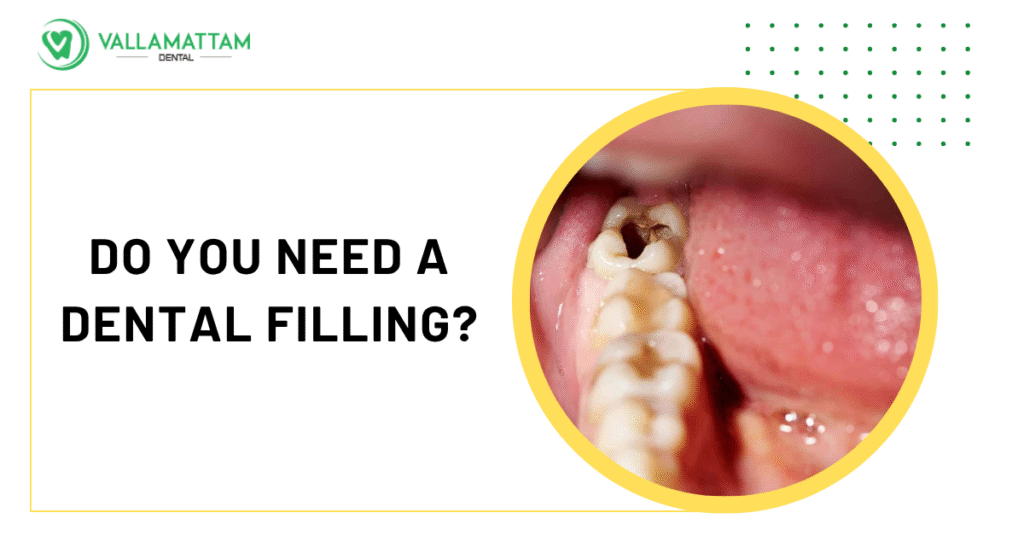
- A rough edge, small hole, or chipped area you can feel with your tongue
- Dark staining, brown marks, or white chalky patches on a tooth
- An old filling that feels loose, cracked, or worn down
- Floss tearing or catching between two teeth
These symptoms do not always mean a filling is needed. For example, cold sensitivity may come from enamel wear, gum recession, brushing too hard, recent whitening, or a small crack. A dentist can check the tooth surface, gum line, bite, and X-rays if needed before advising treatment.
What a Small Cavity May Feel Like
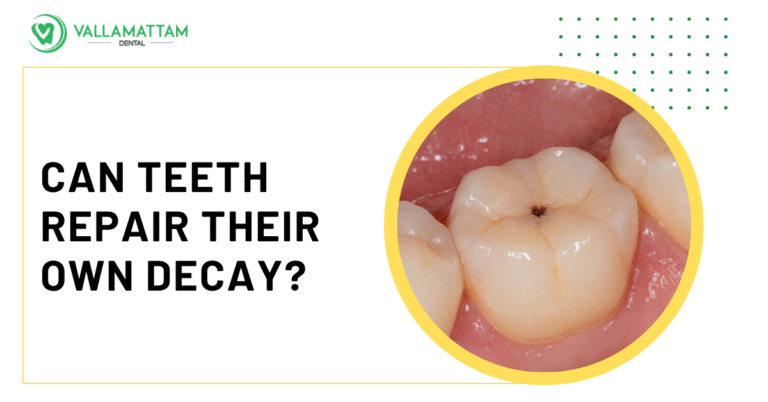
Small cavity symptoms are often subtle. You may feel a brief zing when eating something sweet, or you may notice food sticking between teeth even after brushing. Some cavities form between teeth, where they are difficult to see without dental X-rays. Others begin in grooves on the chewing surface, especially if plaque collects in deep pits.
A small cavity may not hurt because the decay is still in the outer tooth layers. This is one reason routine dental visits matter. When decay is found early, treatment is often more conservative. If the cavity grows deeper, it can reach the inner dentine and eventually irritate the nerve, making treatment more involved.
When Tooth Decay Treatment May Be More Than a Filling
A filling is usually considered when the decay is limited and enough healthy tooth structure remains. If decay is deep, the tooth is cracked, or the nerve is inflamed or infected, a filling alone may not solve the problem. In those situations, the dentist may discuss options such as a larger restoration, crown, or root canal treatment.
This does not mean every painful tooth needs a root canal. It means the depth of the problem matters. Only a dental examination and, when needed, an X-ray can show whether the tooth can be restored with a filling or whether another treatment would be safer.
What Happens During a Dental Filling Appointment?
If a filling is recommended, your dentist will usually explain which tooth is affected, how deep the decay appears, and what material may be suitable. Many modern fillings are tooth-coloured, though the right choice depends on the tooth location, bite pressure, size of the cavity, moisture control, and your dental history.
A typical filling visit may include:
- Numbing the area if needed for comfort
- Removing softened or decayed tooth structure
- Cleaning and shaping the cavity
- Placing the filling material in layers or as advised
- Checking the bite so the tooth does not feel high
- Polishing the filling and giving aftercare instructions
After a filling, mild sensitivity can happen for a short time, especially with deeper cavities. However, pain that worsens, pain when biting, or sensitivity that does not settle should be reviewed. Sometimes the bite needs a small adjustment, or the tooth may have been more irritated than expected.
Can a Cavity Heal Without a Filling?
Very early enamel changes may sometimes be managed without a filling if the surface has not broken down. Your dentist may recommend fluoride, better cleaning around the area, diet changes, and monitoring. Once a true cavity or hole has formed, it usually cannot rebuild its original shape by brushing alone. A filling may be needed to seal and restore the tooth.
This is why waiting for pain is not ideal. By the time a cavity hurts, it may already be deeper. Early care often gives you more treatment options and may help preserve more natural tooth structure.
Other Problems That Can Feel Like a Cavity
Not every toothache is decay. Several dental issues can create similar symptoms, which is why self-diagnosis is unreliable. Sensitivity after cold drinks may come from gum recession or enamel wear. Pain when chewing may point to a cracked tooth, a high filling, clenching, or inflammation around the root. Gum infection can also create tenderness near a tooth.
Possible non-cavity causes include:
- Gum recession exposing the root surface
- Enamel erosion from acidic foods or drinks
- Tooth grinding or clenching
- A cracked tooth or fractured filling
- Sinus-related pressure in upper back teeth
- Gum disease or a deep gum pocket
- A bite imbalance after dental work
If you want to read more patient-friendly dental explanations, the Dental Help Centre can be a useful place to start. Still, symptoms that persist should be checked clinically.
When Should You Book a Dental Checkup?
Book a dental visit if sensitivity lasts more than a few days, keeps returning in the same tooth, or is linked with visible staining, a hole, a broken filling, or pain when biting. You should also arrange a review if food repeatedly gets trapped between two teeth or floss catches in one area. These can be signs of a cavity between teeth, a rough filling edge, or a contact point that needs correction.
Seek urgent dental care if you have facial swelling, severe pain, fever, pus, dental trauma, or pain that disturbs sleep. These symptoms may suggest infection or injury and should not wait for a routine appointment.
How to Reduce Your Risk of Future Fillings
Not every cavity can be prevented, but daily habits make a significant difference. The goal is to reduce plaque, limit frequent sugar exposure, and catch early changes before they become larger cavities.
- Brush twice daily with fluoride toothpaste
- Clean between teeth with floss or interdental brushes
- Reduce frequent snacking on sugary or sticky foods
- Rinse with water after acidic drinks
- Do not brush immediately after strong acidic foods or drinks
- Attend dental checkups at intervals advised for your risk level
- Ask whether fissure sealants or fluoride applications are suitable
If you are unsure whether a tooth needs a filling, Vallamattam Dental can assess the tooth, explain the findings, and discuss treatment only if it is needed. You can contact Vallamattam Dental for a calm consultation focused on understanding the cause, not rushing into treatment.
FAQs
How can I tell if I need a dental filling?
You may notice sensitivity, food trapping, a rough edge, staining, or pain when biting, but symptoms alone cannot confirm it. A dentist can examine the tooth and use an X-ray if needed to decide whether a filling is appropriate.
Does every cavity need a filling?
Not always. Very early enamel changes may be monitored or managed with preventive care. Once the surface has broken down into a true cavity, a filling is often needed to restore the tooth and reduce further decay.
Can tooth sensitivity mean I need a filling?
It can, but sensitivity may also come from enamel wear, gum recession, grinding, whitening, or a crack. If sensitivity is persistent, localised, or triggered by sweet foods, it is worth arranging a dental checkup.
What happens if I delay a needed filling?
Decay can become deeper over time. A small filling may become a larger restoration, and in some cases the tooth nerve may become irritated or infected. Early assessment usually gives more conservative options.
Is getting a dental filling painful?
Many fillings are done comfortably with local anaesthetic when needed. You may feel pressure or vibration, but sharp pain should not be expected. Mild sensitivity after treatment can occur and should settle; ongoing pain should be reviewed.
When is tooth pain urgent?
Seek urgent care for swelling, severe pain, fever, pus, facial swelling, trauma, or pain that wakes you or disturbs sleep. These signs may point to infection or injury that needs timely dental attention.