Having a wisdom tooth extracted is a common oral surgical procedure. Whether you had a single erupted tooth removed or a complex impacted tooth extracted under local anaesthesia, what you eat and drink during the initial healing period plays an important role in your comfort and recovery.
Important Clinical Note: Your dentist or oral surgeon’s specific aftercare instructions should always take priority, as individual recovery varies according to the position of the tooth, the surgical approach used, and your personal healing response.
Planning your meals and understanding how to protect the surgical site can help you stay well-nourished, minimize post-operative swelling, and reduce the risk of common complications such as dry socket (alveolar osteitis).
What to Expect in the Early Recovery Period
Following a wisdom tooth extraction, experiencing mild to moderate swelling, jaw stiffness, and localized tenderness is a normal part of the body’s natural inflammatory response.
- The First 24 Hours: The primary biological goal is forming and stabilizing a secure blood clot inside the empty tooth socket. This blood clot protects the exposed jawbone and nerve endings beneath, serving as the biological foundation for new tissue growth.
- The First Few Days: Swelling usually peaks within 48 to 72 hours before gradually subsiding. Chewing movements may feel restricted, which is why transitioning to a gentle, soft-food diet makes eating comfortable and safe.
Quick Guide: Foods to Choose and Foods to Avoid
| Usually Easier During Early Recovery | Often Better to Avoid Initially |
|---|---|
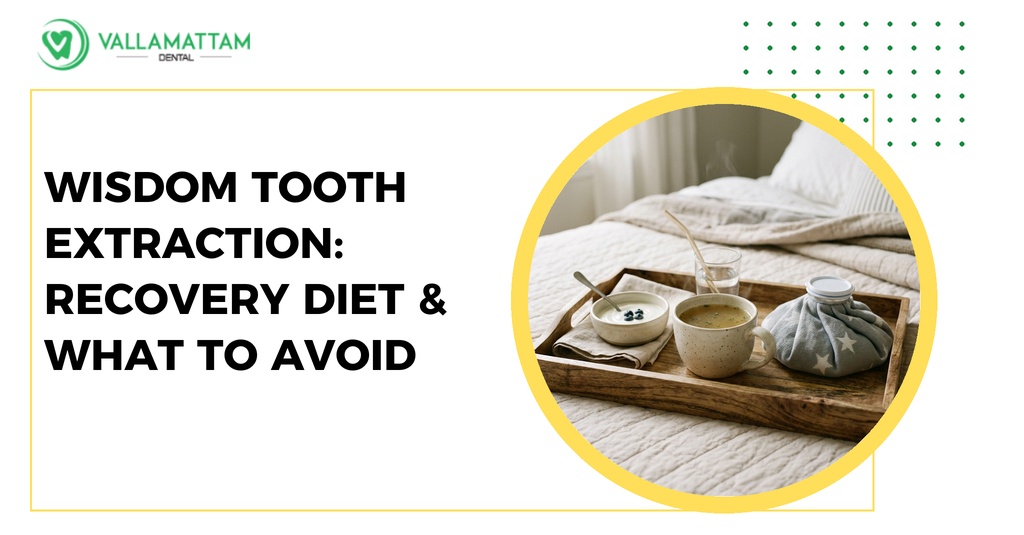
| Lukewarm Smooth Soups (Blended vegetable soups, broths) | Extremely Hot Foods & Liquids (Hot soups, hot tea/coffee) |
| Smooth Yogurts & Puddings (Smooth texture without fruit bits) | Crunchy & Hard Foods (Nuts, chips, toast, crackers) |
| Well-Cooked Porridge or Congee (Cooled to room temperature) | Small Seeds & Grains (Sesame seeds, chia, berries with seeds, rice grains) |
| Mashed Vegetables (Mashed potatoes, pumpkin, sweet potato) | Spicy & Acidic Foods (Chilli curries, citrus juices, vinegar dressings) |
| Smooth Fruit Purees & Applesauce (Blended ripe bananas, mango puree) | Sticky & Chewy Foods (Toffee, caramels, chewy meats, chewing gum) |
| Scrambled Eggs or Soft Paneer (Gentle protein sources, lukewarm) | Carbonated & Alcoholic Beverages (Sodas, sparkling water, beer, spirits) |
Protecting the Surgical Site While Eating
How you eat is just as important as what you eat:
1. Never Use a Drinking Straw
Suction created in the mouth when drinking through a straw creates negative pressure that can dislodge the fragile blood clot from the socket. Always sip liquids directly from a cup or use a spoon.
2. Chew on the Opposite Side
When you begin eating soft solid foods, chew slowly and deliberately on the side of your mouth opposite the surgical site to prevent food from pressing against the healing tissue.
3. Ensure Foods Are Lukewarm or Cool
Hot foods and steaming liquids cause blood vessels to dilate, which can trigger renewed bleeding or irritate tender tissues. Allow all cooked meals to cool to room temperature before eating.
4. Avoid Small Seeds and Loose Grains
Foods containing small, hard particles (such as sesame seeds, kiwi seeds, or loose uncooked grains) can easily become lodged inside the open extraction socket, causing localized irritation or secondary infection.
Hydration and General Healing Habits
- Stay Hydrated: Drink plenty of water throughout the day to support tissue healing and medication metabolism.
- Rest and Limit Physical Exertion: Avoid strenuous exercise, heavy lifting, or vigorous bending over during the first 24 to 48 hours, as elevated blood pressure can increase bleeding and throbbing.
- Avoid Smoking and Tobacco Products: Nicotine and toxic chemicals in cigarette smoke restrict capillary blood flow, delay tissue regeneration, and substantially increase the risk of dry socket. Tobacco and vaping should be avoided for as long as possible post-surgery.
- Avoid Alcohol: Alcoholic drinks can interfere with prescribed pain relievers and antibiotics, delay clotting, and irritate delicate healing gums.
Oral Hygiene Around the Extraction Area
Maintaining a clean mouth helps prevent bacterial infection, but aggressive cleaning can disturb the surgical site:
- The First 24 Hours: Avoid vigorous spitting, forceful gargling, or rinsing. Gently brush your other teeth while carefully avoiding the immediate surgical area.
- After 24 Hours: If recommended by your treating dentist, you may begin gentle warm salt water rinses (half a teaspoon of salt in a glass of warm water) after meals. Do not spit forcefully; simply tilt your head over the sink and let the water flow out naturally.
- Prescription Medications: Always take all prescribed pain relievers, anti-inflammatories, or antibiotics exactly as directed by your clinician. If you experience unexpected side effects, contact your dental clinic promptly.
Warning Signs: When to Contact Your Dentist
While mild tenderness and swelling are expected, contact your treating dental clinic if you experience:
- Severe, throbbing pain that worsens after 3 to 4 days rather than improving (a common indicator of a dislodged blood clot or dry socket).
- Persistent, heavy bleeding that does not slow down with gentle, firm gauze pressure.
- Rapidly worsening swelling in the jaw, cheek, or neck, or difficulty swallowing.
- A high fever or persistent foul taste and discharge from the socket.
Frequently Asked Questions
When can I start eating normal solid foods again?
Most patients can gradually reintroduce soft solid foods (such as well-cooked pasta, tender fish, and soft vegetables) after 3 to 5 days, depending on their comfort level and the complexity of the extraction. Crunchy, hard foods should generally be avoided until the gums have healed significantly.
What is a dry socket and how can I prevent it?
A dry socket occurs when the protective blood clot in the extraction site is prematurely dislodged or dissolves, exposing the underlying bone and nerves to air and food. Preventing dry socket involves avoiding straws, refraining from smoking, avoiding vigorous spitting, and sticking to soft foods.
Can I drink coffee after a tooth extraction?
Iced coffee or lukewarm coffee (sipped from a cup, without a straw) is generally acceptable after the first 24 hours, but very hot coffee should be avoided during the initial healing days.
What should I do if food gets trapped in the extraction socket?
Do not poke the area with toothpicks, fingers, or sharp objects. Gentle warm salt water bathing after meals will usually dislodge trapped particles safely. If food remains stuck and causes discomfort, your dentist can gently flush the site for you.
Professional Post-Surgical Support
Smooth recovery following an extraction relies on gentle self-care, protective dietary choices, and clear communication with your clinical team.
For comprehensive oral surgical consultations, wisdom tooth assessments, and dedicated post-operative care, contact the surgical team at Vallamattam Dental Clinic in Kakkanad.
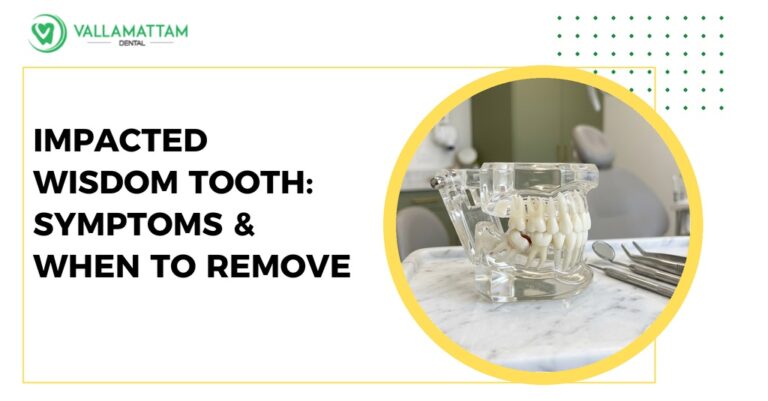
If you are currently experiencing recurring pressure or pain in your back molars and want to understand your options, read our guide on impacted wisdom tooth symptoms and assessment guide.
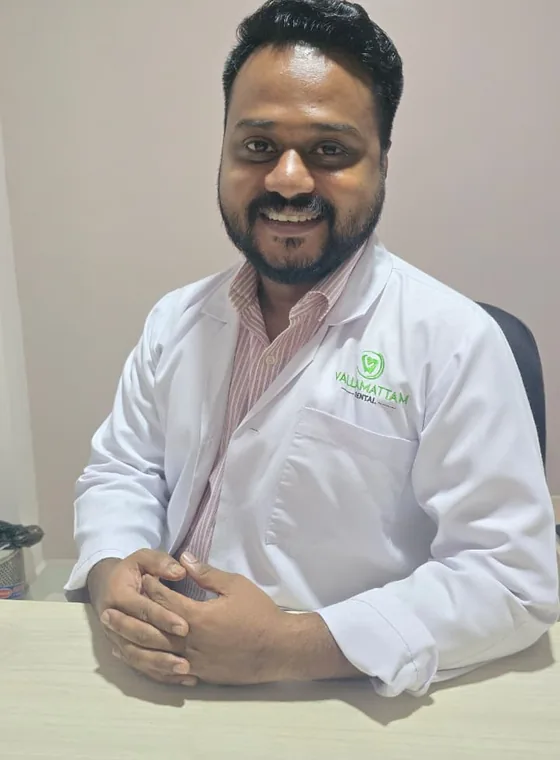
Clinical Review & Oversight
This guide was reviewed by Dr. Antony Kurian Vallamattam and the specialist team at Vallamattam Dental Clinic in Kakkanad, Kochi. Our clinicians specialize in endodontics, orthodontics, oral surgery, and periodontics.
Meet our dentists & specialists → · Book an appointment in Kakkanad