What Is Chronic Bad Breath (Halitosis)?
Bad breath that lingers despite brushing, flossing, and mouthwash is often called halitosis. While occasional bad breath from foods like garlic or onions is normal, persistent bad breath may indicate an underlying issue in your mouth or body. Halitosis affects a significant number of people at some point, and it can be a source of social discomfort. The good news is that in most cases, it is treatable once the cause is identified.
Why Does Bad Breath Persist Even After Brushing?
If your bad breath does not go away with regular oral hygiene, the cause may be deeper than surface food particles. Common reasons include:
- Poor oral hygiene: Plaque and bacteria buildup on teeth and tongue can produce sulfur compounds that cause odor.
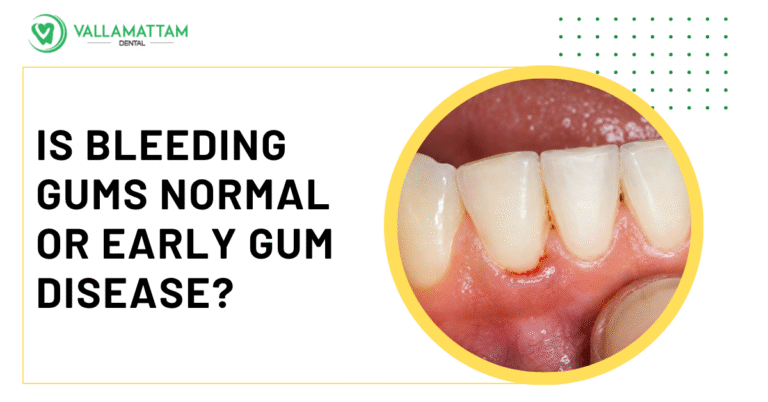
- Gum disease: Infection in the gums (periodontitis) creates pockets where bacteria thrive and release foul smells.
- Dry mouth (xerostomia): Saliva helps cleanse the mouth. Reduced saliva flow, often from medications or mouth breathing, can lead to bad breath.
- Tongue coating: Bacteria and dead cells on the back of the tongue are a common hidden source of odor.
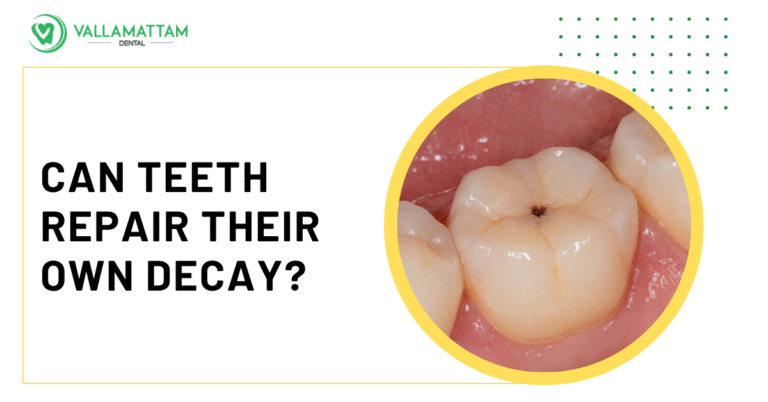
- Dental decay or abscesses: Cavities or infected teeth can produce persistent bad breath.
- Tonsil stones: Hardened debris in the tonsils can emit a strong odor.
- Medical conditions: Sinus infections, acid reflux, diabetes, liver or kidney disease may also cause halitosis.
Can Bad Breath Be a Sign of Something Serious?
In some cases, chronic bad breath can point to a health issue that needs attention. For example, a fruity smell may be linked to uncontrolled diabetes, while a fishy odor can sometimes indicate kidney problems. However, most cases of persistent bad breath originate in the mouth. If you have ruled out oral causes and the problem continues, a medical evaluation may be helpful. A dentist can often help identify whether the source is dental or refer you to a physician if needed.
How Is Halitosis Diagnosed?
A dentist can assess bad breath through a clinical examination and by asking about your oral hygiene routine, diet, medications, and medical history. They may also use a halimeter to measure sulfur compounds in your breath. The goal is to find the root cause so the right treatment can be recommended.
What Are Effective Treatments for Chronic Bad Breath?
Treatment depends on the underlying cause. Common approaches include:
Improving Oral Hygiene
Brushing twice a day, flossing daily, and cleaning your tongue with a scraper can significantly reduce bad breath. Using a toothpaste with antibacterial properties may also help.
Professional Dental Cleaning
A thorough cleaning by a dentist or hygienist removes plaque and tartar that you cannot reach at home. This is especially important if gum disease is present.
Treating Gum Disease or Decay
If gum infection or cavities are causing the odor, treatments like scaling and root planing, fillings, or root canal therapy may be necessary. Our general dentistry services can address these issues.
Managing Dry Mouth
Drinking water, using sugar-free gum, or using saliva substitutes can help. A dentist can also check if your medications are contributing to dry mouth.
Addressing Underlying Medical Conditions
If a medical issue like sinusitis or acid reflux is the cause, treating that condition often resolves the bad breath.
When Should You See a Dentist for Bad Breath?
You should consider a dental evaluation if:
- Bad breath persists for more than a few weeks despite good oral care.
- You notice bleeding gums, loose teeth, or tooth pain.
- You have a persistent dry mouth.
- The bad breath is accompanied by a bad taste or other symptoms.
- You are concerned about the odor affecting your daily life.
A dentist can help determine the cause and recommend the most appropriate treatment. If you are in Kakkanad, Kochi, you can contact our clinic for a consultation.
Can Bad Breath Be Prevented?
Many cases of bad breath can be prevented with consistent oral care. Here are some practical tips:
- Brush your teeth for two minutes twice a day with fluoride toothpaste.
- Floss at least once a day to remove food and plaque between teeth.
- Clean your tongue daily with a tongue scraper or your toothbrush.
- Stay hydrated to keep your mouth moist.
- Limit foods with strong odors, like garlic and onions.
- Avoid tobacco products.
- Visit your dentist regularly for check-ups and cleanings.
Frequently Asked Questions About Bad Breath
Is bad breath always caused by poor hygiene?
No. While poor oral hygiene is a common cause, bad breath can also result from gum disease, dry mouth, tonsil stones, or medical conditions. A dentist can help identify the specific cause.
Can mouthwash cure chronic bad breath?
Mouthwash can temporarily mask odor, but it does not treat the underlying cause. For persistent bad breath, it is better to address the root issue with professional guidance.
Does bad breath mean I have gum disease?
Not always, but gum disease is a common cause of chronic bad breath. If you have red, swollen, or bleeding gums along with bad breath, it is a good idea to see a dentist.
Can children have chronic bad breath?
Yes. Children can also experience halitosis due to poor brushing, cavities, or mouth breathing. A pediatric dentist can evaluate and advise.
How long does it take to treat halitosis?
It depends on the cause. Simple hygiene improvements may show results in a few days. Treating gum disease or other conditions may take longer. A dentist can give you a realistic timeline.
Conclusion: Don’t Ignore Persistent Bad Breath
Chronic bad breath is often treatable, but it requires identifying the cause. Whether it is a simple hygiene issue or a sign of something more, a dental check-up can provide clarity and relief. If you are in Kakkanad, Kochi, and struggling with bad breath that will not go away, consider scheduling an appointment with a dentist. For more information on maintaining oral health, read more dental health articles on our website.