What Does a Black Spot on a Tooth Mean?
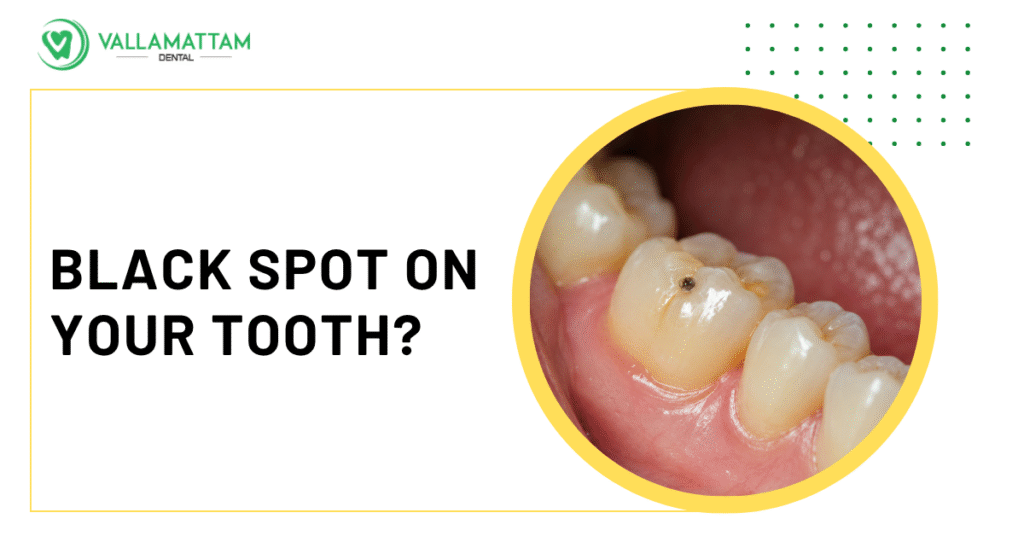
A black spot on your tooth can be concerning, but it is not always a cavity. In many cases, it may be simple staining, a natural discoloration, or even a sign of an old filling. However, it can also indicate tooth decay that needs attention. The only way to know for sure is to have a dentist examine it.
This article explains the possible causes of black spots on teeth, how to recognize tooth decay signs, and when you should seek professional advice.
Is a Black Spot Always a Cavity?
No, a black spot on a tooth is not always a cavity. It can be caused by several factors, including:
- Extrinsic stains – from coffee, tea, red wine, or tobacco use.
- Intrinsic stains – from certain medications, trauma, or excessive fluoride during childhood.
- Tartar buildup – hardened plaque that can appear dark or black.
- Old dental restorations – amalgam fillings can show through as dark spots.
- Tooth decay – a cavity that has progressed and darkened.
Only a dental professional can accurately diagnose the cause. If you notice a new black spot, it is wise to have it checked.
Common Causes of Black Spots on Teeth
Staining from Food and Drinks
Dark-colored beverages like coffee, tea, and cola can leave stains on the enamel over time. These stains often appear as brown or black patches, especially in the grooves of the teeth.
Tobacco Use
Smoking or chewing tobacco can cause dark, stubborn stains on teeth. These are not cavities but can increase your risk of gum disease and oral cancer.
Tartar (Calculus) Buildup
When plaque is not removed, it hardens into tartar, which can be yellow, brown, or black. Tartar often accumulates near the gumline and can make teeth look discolored.
Tooth Decay (Cavities)
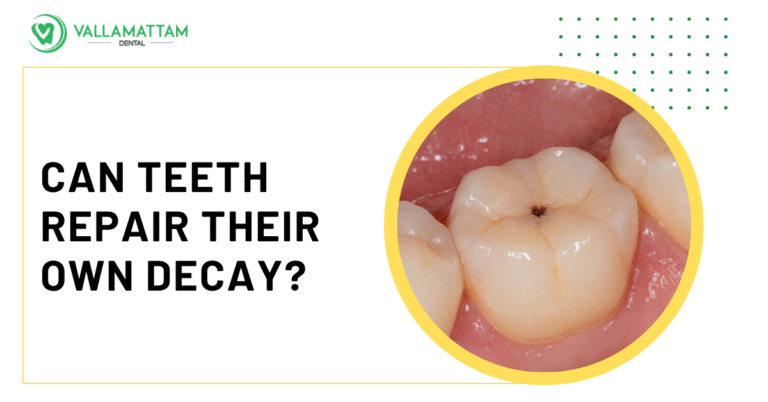
Cavities start as white or brown spots and can progress to black as the decay deepens. If you see a black spot that is accompanied by pain or sensitivity, it may be a cavity.
Dental Trauma
An injury to a tooth can cause internal bleeding, leading to a gray or black discoloration. This may indicate nerve damage and requires prompt evaluation.
Old Fillings
Amalgam (silver) fillings can sometimes show through the tooth as a dark shadow, especially if the tooth is thin or the filling is old.
Signs That a Black Spot Might Be a Cavity
While only a dentist can confirm, certain signs may suggest tooth decay:
- Pain or sensitivity – especially to sweet, hot, or cold foods.
- Visible hole or pit – if the spot feels like a depression.
- Bad breath or bad taste – that does not go away.
- Swelling or redness – around the gum near the tooth.
- Sharp edges – if the tooth feels rough or jagged.
If you experience any of these symptoms, it is important to see a dentist for an evaluation.
When to See a Dentist
You should schedule a dental appointment if:
- The black spot is new or has grown larger.
- You have pain, sensitivity, or discomfort.
- The spot is accompanied by swelling or bleeding gums.
- You have difficulty chewing or biting.
- You notice a bad taste or odor.
Early detection can prevent more extensive treatment. At Vallamattam Dental in Kakkanad, Kochi, we offer thorough examinations to identify the cause of any discoloration.
How Are Black Spots Treated?
The treatment depends on the cause:
Professional Cleaning
If the spot is due to tartar or external staining, a professional cleaning can often remove it. This is a simple and effective solution.
Composite Fillings
If the spot is a cavity, your dentist may recommend a tooth-colored filling. This restores the tooth and prevents further decay.
Root Canal Treatment
If decay has reached the pulp (the inner nerve), a root canal treatment may be necessary to save the tooth.
Veneers or Crowns
For cosmetic concerns or extensive damage, veneers or crowns can improve the appearance and protect the tooth.
Preventing Black Spots on Teeth
Good oral hygiene and regular dental visits are your best defense:
- Brush twice a day with fluoride toothpaste.
- Floss daily to remove plaque between teeth.
- Limit sugary and acidic foods and drinks.
- Avoid tobacco products.
- Visit your dentist every six months for checkups and cleanings.
These habits can help prevent cavities and staining, keeping your smile healthy.
Frequently Asked Questions
Can a black spot on a tooth go away?
It depends on the cause. Stains may be removed with professional cleaning, but cavities will not heal on their own and require treatment.
Is a black spot always a sign of decay?
No, it can be staining, tartar, or an old filling. A dentist can determine the exact cause.
How can I tell if a black spot is a cavity?
Look for pain, sensitivity, or a visible hole. However, some cavities are painless in early stages, so professional evaluation is essential.
What happens if I ignore a black spot?
If it is a cavity, ignoring it can lead to larger decay, infection, and even tooth loss. Early treatment is simpler and less invasive.
Conclusion
A black spot on your tooth is not always a cavity, but it should never be ignored. Whether it is a simple stain or a sign of decay, a dental checkup can provide clarity and peace of mind. If you are concerned about a dark spot on your teeth, consider scheduling an appointment with a dentist. At Vallamattam Dental, we are here to help you understand your oral health and provide gentle, personalized care. Contact us today to book a consultation.