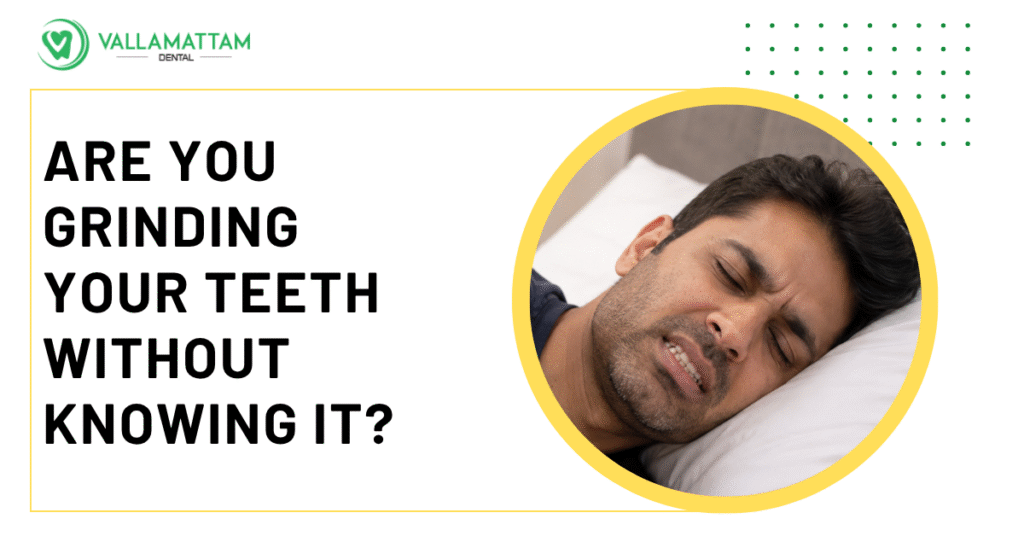
If you often wake up with a sore jaw, a dull headache, or teeth that feel unusually sensitive, you may be grinding your teeth during sleep. This habit, known as sleep bruxism, is common and often happens without you realising it. The main answer to why it matters: teeth grinding at night can gradually wear down enamel, strain the jaw joint, and disrupt sleep. A dentist can confirm whether your symptoms are linked to bruxism and suggest ways to protect your teeth.
What Is Teeth Grinding (Bruxism)?
Bruxism is the medical term for clenching or grinding your teeth. It can happen during the day, often when you are concentrating or stressed, or at night while you sleep. Sleep bruxism is considered a sleep-related movement disorder. Many people are unaware they grind their teeth until a partner mentions the sound or a dentist notices wear patterns during a check-up.
Common Signs of Bruxism Symptoms
Bruxism symptoms can vary from person to person. Some people have mild signs, while others may experience more noticeable discomfort. Because grinding often occurs during sleep, the first clues may appear when you wake up.
Morning Symptoms
- Jaw soreness or tightness that fades during the day
- Headaches, especially around the temples
- Teeth that feel sensitive to hot or cold
- A tired or stiff feeling in the facial muscles
Signs a Dentist May Notice
- Flattened or worn chewing surfaces
- Chipped or cracked enamel
- Teeth that look shorter than before
- Indentations on the sides of the tongue
- Damage to the inside of the cheeks
Other Possible Clues
- Sleep disruption for you or your partner
- Clicking or popping sounds in the jaw joint
- Difficulty opening your mouth wide
Why Do People Grind Their Teeth at Night?
The exact cause of sleep bruxism is not fully understood, but several factors may play a role. It is often multifactorial, meaning more than one trigger can be involved.
Stress and Anxiety
Emotional stress is a common contributor. When you are anxious or under pressure, you may unconsciously clench your jaw during sleep.
Sleep-Related Factors
Conditions such as obstructive sleep apnoea, snoring, and other sleep disorders have been linked with bruxism. Poor sleep quality may also increase the likelihood of grinding.
Medications and Substances
Some antidepressants, caffeine, alcohol, and recreational drugs can increase the risk of bruxism. If you take any medication, it is worth discussing with your doctor.
Dental and Bite Factors
Misaligned teeth or an abnormal bite may contribute, though the evidence is not conclusive. In some cases, grinding may be a response to an uneven bite.
Age and Genetics
Bruxism can run in families. It is also more common in children, though many outgrow it. For children, a pediatric dentist can assess whether the grinding is likely to cause problems.
How Is Sleep Bruxism Diagnosed?
There is no single test for bruxism. A dentist can often identify signs during a routine examination. They may ask about your sleep habits, stress levels, and any jaw discomfort. In some cases, a sleep study may be recommended to rule out other sleep disorders.
Treatment Options for Teeth Grinding
Treatment aims to reduce symptoms, protect teeth, and address underlying causes. Not everyone needs active treatment, but persistent grinding may lead to complications.
Night Guards
A custom-made night guard is a common option. It is a removable device that fits over your teeth and creates a barrier to protect enamel from grinding forces. A night guard does not stop the grinding itself, but it can reduce damage and ease jaw strain. Over-the-counter guards are available, but a dentist can provide a better fit.
Stress Management
If stress is a factor, relaxation techniques such as deep breathing, meditation, or counselling may help. Regular exercise and good sleep hygiene can also support overall well-being.
Dental Correction
If misaligned teeth contribute to bruxism, orthodontic treatment or adjusting the bite may be considered. For adults, options like clear aligners can gently straighten teeth, though their role in bruxism needs individual assessment.
Medication and Botox
In severe cases, muscle relaxants or Botox injections may be suggested to reduce muscle activity. These are usually short-term measures and require specialist guidance.
Lifestyle Changes
Cutting back on caffeine and alcohol, especially in the evening, may help. Avoiding chewing gum and hard foods can also reduce jaw strain.
When Should You See a Dentist?
You should consider seeing a dentist if you notice any of the following:
- Persistent jaw pain or facial pain
- Teeth that are becoming worn, chipped, or sensitive
- Headaches that occur frequently in the morning
- Difficulty chewing or opening your mouth
- Your partner complains about grinding sounds
If you are in Kakkanad or nearby areas in Kochi, you can contact Vallamattam Dental Clinic for an evaluation. A dentist can assess your teeth and jaw, discuss whether a night guard is suitable, and help you understand your options.
Can Teeth Grinding Cause Long-Term Problems?
Untreated bruxism can lead to several issues over time. Enamel wear may expose the softer dentin underneath, increasing sensitivity and risk of cavities. Severe grinding can crack teeth, damage restorations, and contribute to temporomandibular joint (TMJ) disorders. It can also affect sleep quality, leading to daytime fatigue.
Prevention and Self-Care
While you cannot always prevent bruxism, these steps may reduce its impact:
- Practice relaxation before bed, such as reading or gentle stretching.
- Limit caffeine and alcohol in the evening.
- Maintain good sleep habits and a consistent bedtime.
- If you notice yourself clenching during the day, consciously relax your jaw.
- Visit your dentist regularly for check-ups and cleanings.
For general dental care and preventive advice, you can explore our general dentistry services. Our dental blog also has more tips on oral health.
Frequently Asked Questions
Is teeth grinding always a sign of a serious problem?
No. Many people grind their teeth occasionally without lasting harm. However, if it happens regularly or causes symptoms, it is worth getting checked.
Can a night guard stop teeth grinding?
A night guard does not stop the grinding itself, but it can protect your teeth from wear and reduce jaw discomfort. It is a management tool, not a cure.
Does stress cause bruxism?
Stress is one possible factor, but not everyone who grinds is stressed. Other factors like sleep disorders, medications, and genetics may also play a role.
Can children grind their teeth?
Yes, bruxism is common in children. It often resolves on its own, but a pediatric dentist can monitor for any damage.
When should I see a dentist for teeth grinding?
If you have persistent jaw pain, worn teeth, headaches, or sleep disruption, it is a good idea to see a dentist. They can assess your situation and discuss whether treatment is needed.
Conclusion
Teeth grinding at night is a common condition that can affect your dental health and sleep quality. Recognising the signs early can help you take steps to protect your teeth. If you are experiencing symptoms, consider scheduling a dental check-up. At Vallamattam Dental, we focus on patient education and gentle care. If you are in Kakkanad, Kochi, feel free to reach out to us for a consultation.

Clinical Review & Oversight
This guide was reviewed by Dr. Antony Kurian Vallamattam and the specialist team at Vallamattam Dental Clinic in Kakkanad, Kochi. Our clinicians specialize in endodontics, orthodontics, oral surgery, and periodontics.
Meet our dentists & specialists → · Book an appointment in Kakkanad