Is Bleeding After Flossing Normal?
Bleeding after flossing is not normal for healthy gums. If your gums bleed while flossing, it often indicates inflammation, which may be an early sign of gum disease such as gingivitis. However, occasional bleeding can also happen if you floss too hard, use a new technique, or have not flossed in a while. A dentist can confirm the cause.
Healthy gums should not bleed during routine brushing or flossing. If bleeding persists for more than a few days, recurs, or is accompanied by other symptoms like redness, swelling, or bad breath, it is worth getting a dental evaluation.
Why Do Gums Bleed While Flossing?
Gums bleed while flossing when the gum tissue is irritated or inflamed. The most common reason is plaque buildup along the gumline. Plaque contains bacteria that can trigger an immune response, leading to swelling and bleeding.
Other factors can also contribute:
- Improper flossing technique: Snapping the floss against the gums or sawing too aggressively can cut the tissue.
- Infrequent flossing: If you floss only occasionally, gums may bleed initially as they adapt.
- Gingivitis: Early gum disease often causes bleeding during brushing or flossing.
- Medications: Blood thinners, aspirin, and some blood pressure drugs can increase bleeding tendency.
- Hormonal changes: Pregnancy, puberty, and menopause can make gums more sensitive.
- Vitamin deficiencies: Lack of vitamin C or K may affect gum health.
- Ill-fitting dental restorations: Rough fillings or crowns can trap plaque and irritate gums.
In most cases, bleeding is a sign that your gums need attention, not a reason to stop flossing. In fact, gentle, consistent flossing often helps resolve the bleeding.
Bleeding After Flossing vs. Gingivitis Symptoms
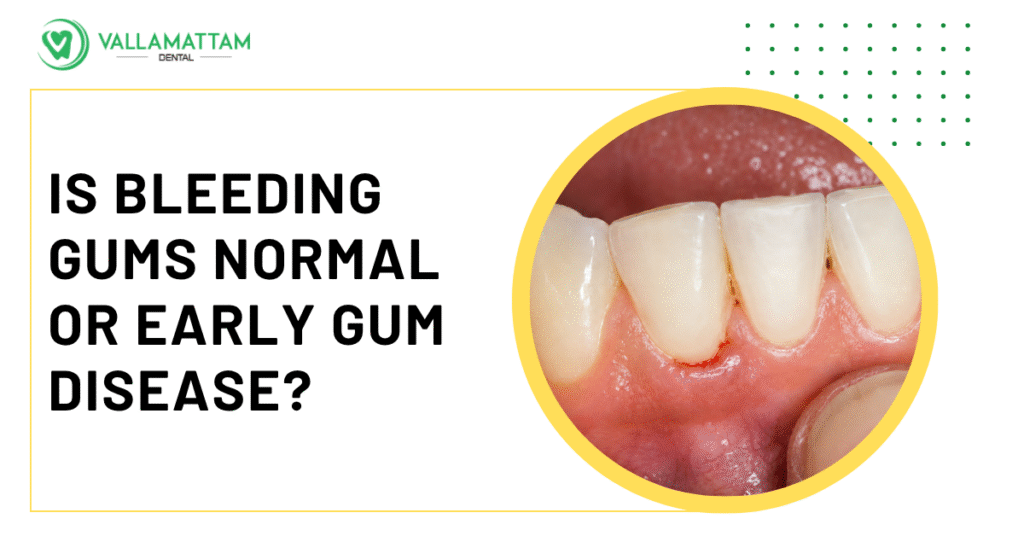
Gingivitis is the earliest stage of gum disease. It is reversible with good oral hygiene and professional care. Bleeding after flossing is one of the most common gingivitis symptoms, but it is not the only one.
Other signs of gingivitis include:
- Red, swollen, or tender gums
- Gums that bleed easily when brushing or flossing
- Persistent bad breath
- Receding gums
- Soft or puffy gums
If gingivitis is left untreated, it can progress to periodontitis, a more serious form of gum disease that can damage the bone supporting your teeth. Early detection and treatment are key.
How to Floss Without Bleeding
If your gums bleed while flossing, the solution is usually not to stop flossing but to floss more gently and consistently. Here are some tips:
- Use a soft, flexible floss or a water flosser if traditional floss feels harsh.
- Curve the floss into a C-shape around each tooth and slide it gently under the gumline.
- Avoid snapping or forcing the floss.
- Floss once daily, preferably before brushing, to remove plaque before it hardens.
- Be patient: bleeding may take one to two weeks to stop as gums heal.
If bleeding continues beyond two weeks or worsens, see a dentist. They can check for deeper issues like tartar buildup or periodontal pockets.
When to See a Dentist for Bleeding Gums
Occasional bleeding that stops after a few days of gentle flossing is usually not a concern. However, you should see a dentist if:
- Bleeding persists for more than two weeks
- Bleeding is heavy or spontaneous
- You notice pus, loose teeth, or receding gums
- You have pain or swelling in your gums
- You have a medical condition like diabetes or a weakened immune system
A dentist can perform a periodontal exam, measure gum pockets, and take X-rays if needed. They may recommend a professional cleaning, scaling, or root planing to remove tartar and bacteria. For more details on general dental care, visit our general dentistry page.
How to Keep Your Gums Healthy
Healthy gums are pink, firm, and do not bleed during normal brushing or flossing. To maintain them:
- Brush twice daily with a soft-bristled toothbrush and fluoride toothpaste.
- Floss daily to remove plaque between teeth.
- Use an antibacterial mouthwash if recommended by your dentist.
- Limit sugary and acidic foods and drinks.
- Avoid tobacco products.
- Visit your dentist for regular checkups and cleanings every six months, or as advised.
If you are in Kakkanad or nearby areas in Kochi, Vallamattam Dental offers comprehensive dental care, including gum evaluations and preventive treatments. Our team focuses on patient education and gentle care.
Frequently Asked Questions
Is it normal for gums to bleed after flossing?
No, healthy gums should not bleed. Occasional bleeding may happen if you floss too hard or haven’t flossed in a while, but persistent bleeding often points to gum inflammation or gingivitis.
Should I stop flossing if my gums bleed?
No. Stopping flossing can allow plaque to build up and worsen the problem. Instead, floss gently and consistently. If bleeding continues beyond two weeks, see a dentist.
How long does it take for bleeding gums to heal?
With improved oral hygiene, mild gingivitis-related bleeding may improve within one to two weeks. If it doesn’t, a dental professional can assess for deeper issues.
Can bleeding after flossing be a sign of something serious?
In some cases, bleeding gums can be linked to systemic conditions like diabetes, vitamin deficiencies, or bleeding disorders. A dentist or doctor can help determine the cause.
What is the best way to floss to avoid bleeding?
Use a gentle back-and-forth motion, curve the floss around each tooth, and slide it under the gumline without snapping. A water flosser can be a good alternative if you find traditional floss irritating.
Conclusion
Bleeding after flossing is a common signal that your gums need attention. It is often an early, reversible sign of gum inflammation. By flossing gently and consistently, maintaining good oral hygiene, and seeing a dentist for regular checkups, you can keep your gums healthy. If bleeding persists or worries you, consider scheduling a visit with a dental professional. At Vallamattam Dental in Kakkanad, Kochi, we are here to help you understand and care for your oral health. Feel free to contact Vallamattam Dental Clinic for an appointment, or explore more topics on our dental blog.