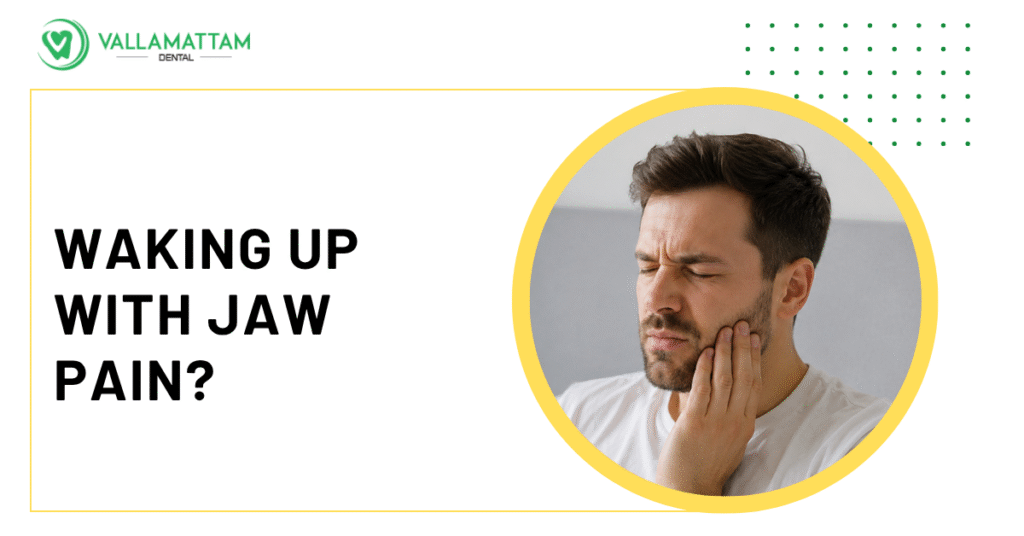
Waking up with a sore jaw can be confusing and uncomfortable. You might wonder if you slept in a strange position or if something more serious is going on. The most common reason for jaw pain in the morning is teeth grinding (bruxism) or clenching during sleep, which can strain the jaw muscles and joints. However, other factors like sleep posture, stress, or temporomandibular joint (TMJ) issues can also contribute. If you experience this regularly, it’s worth understanding the possible causes and seeking guidance from a dental professional.
What Causes Jaw Pain in the Morning?
Jaw pain after sleep can have several origins. Identifying the underlying cause is key to finding relief. Here are the most common culprits:
Teeth Grinding (Bruxism)
Teeth grinding is a condition where you unconsciously clench or grind your teeth, often during sleep. It can be triggered by stress, anxiety, or even certain sleep disorders. Over time, this can lead to muscle fatigue, tooth wear, and morning jaw pain. Many people are unaware they grind their teeth until a partner notices or a dentist spots the signs.
Temporomandibular Joint (TMJ) Disorders
The temporomandibular joint connects your jawbone to your skull. When this joint becomes inflamed or misaligned, it can cause pain that radiates to the face, ear, or neck. TMJ disorders may result from injury, arthritis, or habitual clenching. Morning stiffness and pain are common symptoms, especially after a night of unconscious grinding.
Sleep Position and Pillow Support
Your sleeping posture can also affect your jaw. Sleeping on your stomach or with your head turned awkwardly may put pressure on the jaw joint and surrounding muscles. A pillow that doesn’t support your neck properly can contribute to muscle strain that manifests as jaw pain in the morning.
Stress and Anxiety
Emotional stress often manifests physically, and the jaw is a common area for tension. If you’re under pressure, you may clench your jaw during the day or night without realizing it. This can lead to soreness and discomfort upon waking.
What Are the Symptoms of Teeth Grinding and TMJ Issues?
Besides jaw pain, other signs may indicate that you’re grinding your teeth or have a TMJ issue:
- Dull headache, especially in the temples
- Earache or pain around the ear (without infection)
- Facial pain or soreness
- Clicking or popping sounds when opening or closing your mouth
- Difficulty opening your mouth fully
- Worn, flattened, or chipped teeth
- Increased tooth sensitivity
If you notice any of these symptoms, it’s a good idea to mention them to your dentist during your next check-up.
How Can I Relieve Morning Jaw Pain at Home?
For occasional discomfort, you can try some gentle self-care measures:
Apply a Warm Compress
A warm, damp cloth placed on the side of your face near the jaw can help relax tense muscles and improve blood flow. Apply for 10–15 minutes in the morning to ease stiffness.
Practice Jaw Relaxation Exercises
Gently stretching the jaw can reduce tension. Try opening your mouth slowly, then closing it without your teeth touching. Repeat a few times. Avoid any movement that causes sharp pain.
Be Mindful of Daytime Clenching
During the day, notice if you clench your jaw when stressed or concentrating. Place your tongue gently between your teeth to remind yourself to keep your jaw relaxed.
Choose a Supportive Pillow
Using a pillow that keeps your neck and spine aligned can reduce strain on your jaw. Side sleepers may benefit from a firmer pillow that fills the gap between the shoulder and head.
When Should I See a Dentist for Jaw Pain?
If your jaw pain is persistent, severe, or accompanied by other symptoms like headaches or difficulty chewing, it’s wise to consult a dentist. A dental professional can evaluate your bite, check for signs of grinding, and determine if a TMJ disorder is present. Early intervention can prevent further damage to your teeth and joints.
At Vallamattam Dental in Kakkanad, we offer comprehensive general dentistry services that include assessments for jaw pain and bruxism. Our team can help identify the cause and recommend appropriate treatment options.
What Are the Treatment Options for Teeth Grinding and TMJ Pain?
Treatment depends on the underlying cause and severity. Common approaches include:
Custom Mouthguards
A custom-fitted night guard can protect your teeth from grinding and reduce strain on the jaw. Unlike over-the-counter guards, a custom one is designed to fit your bite precisely, offering better comfort and effectiveness.
Stress Management Techniques
Since stress often contributes to grinding, incorporating relaxation practices like meditation, deep breathing, or gentle yoga may help reduce episodes.
Physical Therapy or Exercises
In some cases, jaw exercises or physical therapy can strengthen muscles and improve joint function. A dentist or physiotherapist can guide you through safe movements.
Medication or Adjustments
Over-the-counter anti-inflammatory medications may temporarily relieve pain, but they don’t address the root cause. In more complex cases, dental adjustments or orthodontic treatment might be recommended.
Can Jaw Pain Be Prevented?
While not all cases are preventable, you can reduce your risk:
- Manage stress through healthy outlets.
- Avoid chewing gum or hard foods that strain the jaw.
- Maintain good sleep posture.
- Schedule regular dental check-ups to catch early signs of grinding.
Frequently Asked Questions
Is jaw pain in the morning a sign of a serious problem?
Often, it’s due to grinding or clenching, but it can also indicate a TMJ disorder or dental issue. If the pain is persistent or severe, a dentist can help determine the cause.
Can stress cause jaw pain when waking up?
Yes, stress is a common trigger for teeth grinding and jaw clenching, which can lead to morning discomfort.
Should I use a mouthguard for jaw pain?
A custom mouthguard may help if grinding is the cause. It’s best to consult a dentist to see if this is right for you.
How long does jaw pain last after waking up?
It varies. Some people feel relief within a few hours, while others may have persistent discomfort. If it lasts all day or worsens, seek professional advice.
Conclusion
Morning jaw pain can disrupt your day, but understanding the cause is the first step toward relief. Whether it’s teeth grinding, TMJ issues, or sleep habits, a dental professional can offer guidance and treatment. If you’re experiencing recurring jaw pain, consider scheduling an evaluation at Vallamattam Dental. Our team is here to help you find comfort and protect your oral health. Contact us to book an appointment or learn more about our dental health tips.