Why Is My Adult Tooth Loose?
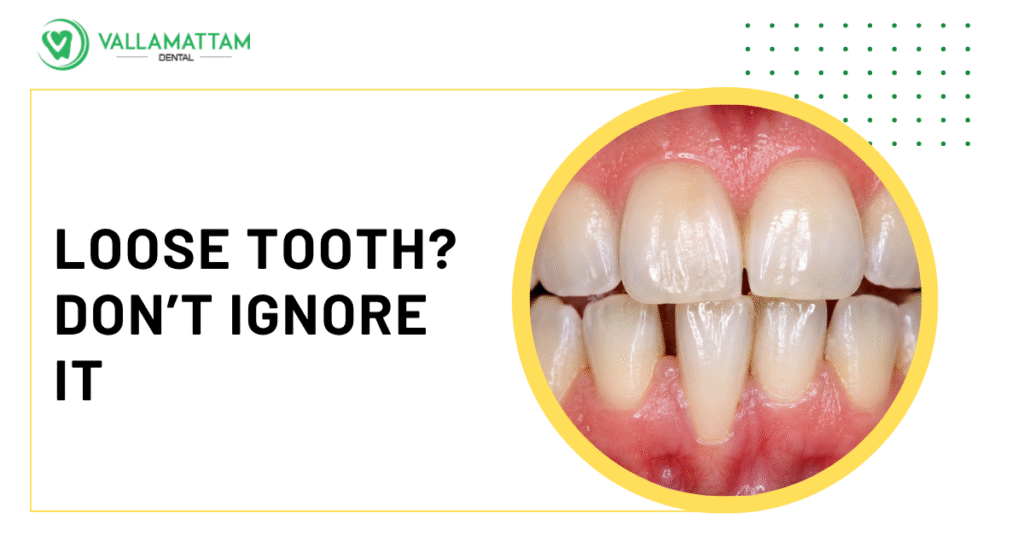
If you have a loose tooth as an adult, it is a warning sign that should not be ignored. Unlike baby teeth, permanent teeth are designed to last a lifetime. A loose permanent tooth often indicates an underlying problem that needs professional attention. The most common cause is gum disease, but other factors like injury, teeth grinding, or bone loss can also be responsible. Early evaluation by a dentist can help determine the cause and prevent further damage.
What Does a Loose Tooth Mean?
A loose tooth, also known as tooth mobility, means that the tooth has moved from its normal position in the socket. In adults, this is never normal. It can range from a slight wiggle to a tooth that is visibly shifting. The movement happens because the supporting structures—gums, periodontal ligament, and jawbone—are compromised. If you notice any looseness, it is essential to seek dental advice promptly.
Common Causes of Adult Tooth Loosening
Gum Disease (Periodontal Disease)
Gum disease is the leading cause of loose permanent teeth. It begins with plaque buildup that leads to inflammation of the gums (gingivitis). If left untreated, it can progress to periodontitis, where the gums pull away from the teeth and the underlying bone is destroyed. This bone loss can make teeth loose. Regular dental check-ups can help catch gum disease early.
Injury or Trauma
A fall, sports injury, or even biting down on something hard can loosen a tooth. Trauma can damage the ligaments that hold the tooth in place. In some cases, the tooth may need splinting or other treatment to stabilize it.
Teeth Grinding (Bruxism)
Chronic teeth grinding or clenching puts excessive pressure on teeth, which can gradually loosen them. Many people grind their teeth at night without knowing it. A dentist can often spot signs of wear and recommend a night guard to protect your teeth.
Bone Loss
Loss of jawbone density, whether from gum disease, osteoporosis, or other conditions, can reduce the support for teeth. This can lead to mobility. Bone loss can sometimes be managed with dental treatments or medications, depending on the cause.
Other Medical Conditions
Certain systemic conditions, such as diabetes or rheumatoid arthritis, can affect gum health and increase the risk of tooth mobility. Pregnancy hormones can also cause temporary loosening in some women. Always inform your dentist about your medical history.
Warning Signs You Shouldn’t Ignore
Besides the obvious looseness, other signs may indicate a problem:
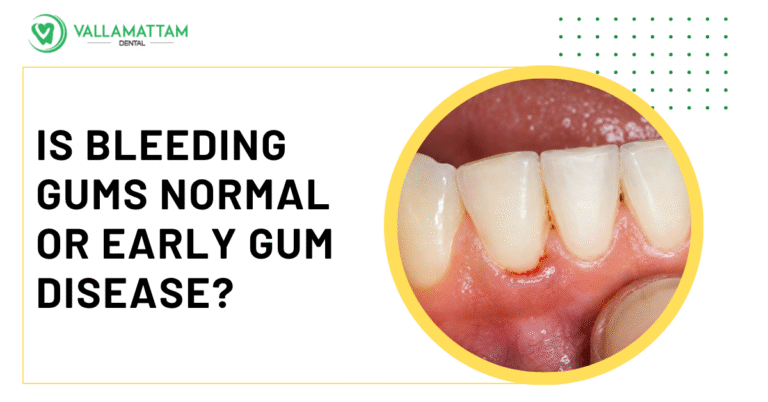
- Bleeding gums when brushing or flossing
- Swollen, red, or tender gums
- Receding gums that make teeth look longer
- Persistent bad breath or a bad taste in the mouth
- Pain when chewing or biting
- Changes in the alignment of your teeth or gaps appearing
- Pus around the gum line
If you experience any of these symptoms along with a loose tooth, it is important to see a dentist as soon as possible.
Can a Loose Tooth Be Saved?
In many cases, yes. The outcome depends on the cause and how early you seek treatment. If gum disease is the culprit, a deep cleaning procedure called scaling and root planing may help. If the tooth is loose due to trauma, it might be stabilized with a splint. In more severe cases, procedures like bone grafts or guided tissue regeneration can help rebuild support. However, if the tooth is too loose or the bone loss is extensive, extraction may be necessary. A dentist can evaluate your specific situation and discuss the best options.
Treatment Options for a Loose Tooth
Non-Surgical Treatments
For early-stage gum disease, a professional cleaning and improved oral hygiene at home may be enough. Your dentist may also recommend antimicrobial mouth rinses or antibiotics to control infection.
Surgical Treatments
If gum disease is advanced, surgical options like flap surgery or bone grafting may be needed to restore support. These procedures are performed by dental specialists and can often save teeth that might otherwise be lost.
Splinting
If a tooth is loose due to trauma, your dentist may bond it to neighboring teeth to provide stability while healing occurs. This is called splinting and is usually temporary.
Root Canal Treatment
If the tooth’s nerve is damaged or infected, a root canal may be necessary. This procedure removes the infected pulp and seals the tooth, which can help preserve it. If you have a loose tooth with pain or sensitivity, a root canal might be part of the treatment plan.
When to See a Dentist
You should see a dentist as soon as you notice any looseness in an adult tooth. Do not wait for pain or other symptoms to develop. Early intervention offers the best chance of saving the tooth. If you have persistent bleeding gums, swelling, or difficulty chewing, schedule an appointment promptly. At Vallamattam Dental in Kakkanad, Kochi, we provide comprehensive evaluations to determine the cause of tooth mobility and recommend appropriate treatment.
Preventing Loose Teeth
Prevention is always better than treatment. Here are some steps you can take to protect your teeth:
- Brush twice a day with fluoride toothpaste
- Floss daily to remove plaque between teeth
- Use an antiseptic mouthwash if recommended by your dentist
- Visit your dentist regularly for check-ups and cleanings
- Wear a mouthguard during sports
- If you grind your teeth, ask your dentist about a night guard
- Eat a balanced diet rich in calcium and vitamin D
- Avoid tobacco products
Frequently Asked Questions
Can a loose tooth tighten back up on its own?
In some cases, if the cause is minor trauma or temporary inflammation, a tooth may tighten back up on its own. However, it is not safe to assume this will happen. A dental evaluation is necessary to rule out serious issues like gum disease or bone loss.
Is a loose tooth an emergency?
A loose tooth is not always a dental emergency, but it should be treated as urgent. If the tooth is knocked out completely, that is an emergency. If you have a loose tooth with severe pain, bleeding, or swelling, seek immediate care. For mild looseness, schedule an appointment within a few days.
Can gum disease be reversed?
Early-stage gum disease (gingivitis) can often be reversed with professional cleaning and good oral hygiene. Advanced periodontitis cannot be fully reversed, but it can be managed to stop further damage. Treatment can help preserve your teeth.
What happens if I ignore a loose tooth?
Ignoring a loose tooth can lead to worsening of the underlying condition, increased mobility, and eventual tooth loss. It can also affect your ability to chew and speak properly. Early treatment is key to saving the tooth.
Conclusion
A loose tooth as an adult is a clear signal that something is wrong. Whether it’s gum disease, injury, or another cause, seeking professional help early can make a significant difference. At Vallamattam Dental in Kakkanad, Kochi, we are here to help you understand your condition and provide the right care. If you have concerns about a loose tooth, don’t hesitate to contact our dental clinic to schedule an evaluation. Your smile deserves attention.