Is It Normal for Food to Get Stuck Between Teeth?
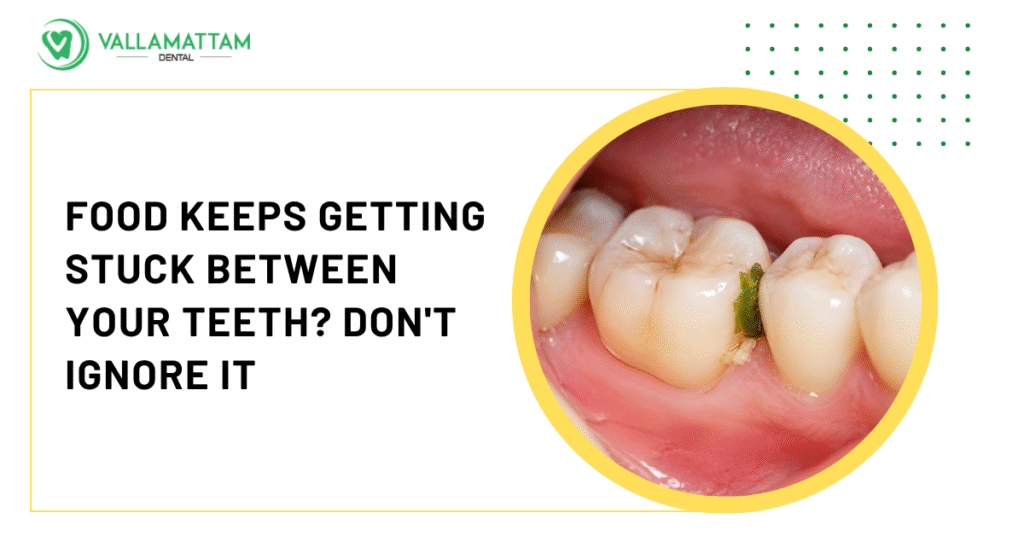
Many people experience food getting stuck between teeth from time to time. In most cases, it is a normal part of eating, especially after consuming fibrous foods like meat, spinach, or popcorn. However, if you find that food frequently lodges in the same spot or causes discomfort, it may indicate an underlying dental issue that deserves attention. This article explains common causes, what you can do at home, and when a dental evaluation is recommended.
Common Causes of Food Getting Stuck Between Teeth
Gaps Between Teeth
Natural gaps or spaces between teeth, often called diastemas, can allow food particles to become trapped. These gaps may be due to genetics, missing teeth, or shifting teeth over time. While small gaps are usually harmless, larger spaces can increase the frequency of food impaction.
Gum Recession and Gum Pockets
When gums recede, they expose the tooth root and create small pockets where food can accumulate. These gum pocket symptoms may include tenderness, bleeding when brushing, or a persistent bad taste. Gum recession can result from aggressive brushing, gum disease, or aging.
Cavities Between Teeth
A cavity between teeth, also known as an interproximal cavity, can create a rough surface or hole where food gets stuck. These cavities are often not visible without dental X-rays and may cause sensitivity to sweet or cold foods. If food repeatedly lodges in the same area, a cavity may be the cause.
Misaligned Teeth or Crowding
Teeth that are crooked or crowded can create tight spaces where food easily becomes trapped. Orthodontic issues like malocclusion can also make cleaning between teeth more difficult, increasing the risk of plaque buildup and decay.
Worn or Damaged Fillings
Old or broken fillings may have gaps at the edges, allowing food to get stuck. Similarly, crowns or bridges that do not fit perfectly can create spaces where debris collects. A dentist can examine restorations to ensure they are intact and well-sealed.
When Is Food Stuck Between Teeth a Concern?
Occasional food impaction is not usually a problem. However, you should consider a dental evaluation if you notice any of the following:
- Food gets stuck in the same spot repeatedly
- You feel pain or sensitivity when eating or brushing
- Your gums bleed or appear swollen near the area
- You notice a bad taste or odor that persists
- You have difficulty cleaning the area with floss or interdental brushes
These signs may indicate a cavity, gum disease, or a failing restoration. Early diagnosis can prevent more complex issues.
Home Care Tips to Manage Food Getting Stuck Between Teeth
Floss Daily
Flossing is the most effective way to remove food trapped between teeth. Use a gentle sawing motion and curve the floss around each tooth to clean below the gumline. If standard floss is difficult to use, consider floss picks or water flossers.
Use Interdental Brushes
Interdental brushes can clean larger gaps more effectively than floss. Choose a size that fits snugly without forcing. These brushes are especially helpful for people with braces, bridges, or wide spaces.
Rinse with Water or Mouthwash
After meals, rinsing with water can help dislodge loose food particles. An antimicrobial mouthwash may reduce bacteria in areas that are hard to reach, but it should not replace brushing and flossing.
Avoid Certain Foods
Sticky, fibrous, or hard foods are more likely to get stuck. If you have known gaps or dental work, you may choose to cut foods into smaller pieces or avoid items like popcorn, nuts, and chewy candies.
Professional Treatments for Food Impaction
Dental Examination and Cleaning
A routine dental checkup can identify the cause of food getting stuck. Your dentist may take X-rays to detect cavities between teeth or assess gum health. Professional cleaning removes plaque and tartar that contribute to gum pockets.
Fillings or Restorations
If a cavity or defective filling is the cause, your dentist can place a new filling or repair the restoration. This eliminates the rough surface where food collects.
Orthodontic Treatment
For misaligned teeth, orthodontic options like clear aligners or braces can close gaps and improve alignment, making it easier to keep teeth clean. At Vallamattam Dental, we offer clear aligners for adults seeking a discreet solution.
Gum Treatment
If gum recession or gum disease is contributing to food impaction, a deep cleaning (scaling and root planing) may be recommended. In advanced cases, gum grafting surgery can cover exposed roots and reduce pocket depth.
Prevention Tips
- Brush twice a day with a soft-bristled toothbrush
- Floss at least once daily
- Visit your dentist every six months for checkups and cleanings
- Consider dental sealants or fluoride treatments for added protection
- Maintain a balanced diet low in sugary snacks
Frequently Asked Questions
Can food getting stuck between teeth cause cavities?
Yes. When food particles remain trapped, bacteria feed on them and produce acid, which can erode enamel and lead to cavities. Regular cleaning and dental visits help reduce this risk.
Is it normal for food to get stuck under the gum line?
Food can sometimes become lodged under the gum line, especially if you have gum pockets. This may cause inflammation or infection. If you experience this frequently, consult a dentist.
What should I do if floss gets stuck between my teeth?
If floss gets stuck, do not force it. Gently work it out using a back-and-forth motion. If this happens often, it may indicate a tight contact point, a cavity, or a dental restoration issue. A dentist can evaluate the area.
Can clear aligners help with food getting stuck?
Clear aligners can close gaps between teeth, reducing spaces where food gets trapped. However, aligners themselves may trap food if not cleaned properly. Discuss with your dentist whether aligners are suitable for your situation.
When should I see a dentist for food stuck between teeth?
See a dentist if food gets stuck frequently, causes pain, or is accompanied by bleeding gums, bad breath, or sensitivity. Early treatment can prevent more serious problems.
Conclusion
Food getting stuck between teeth is a common experience, but persistent issues often have a treatable cause. Whether it is a small gap, a hidden cavity, or gum recession, addressing the problem early can protect your oral health. If you are concerned about food impaction, consider scheduling a dental checkup. At Vallamattam Dental in Kakkanad, Kochi, our team can help identify the cause and recommend appropriate care. Contact us to book an appointment or learn more about our general dentistry services. For additional tips, explore our blog.