It’s a common thought: “This tooth feels a bit sensitive… maybe it will go away on its own.”
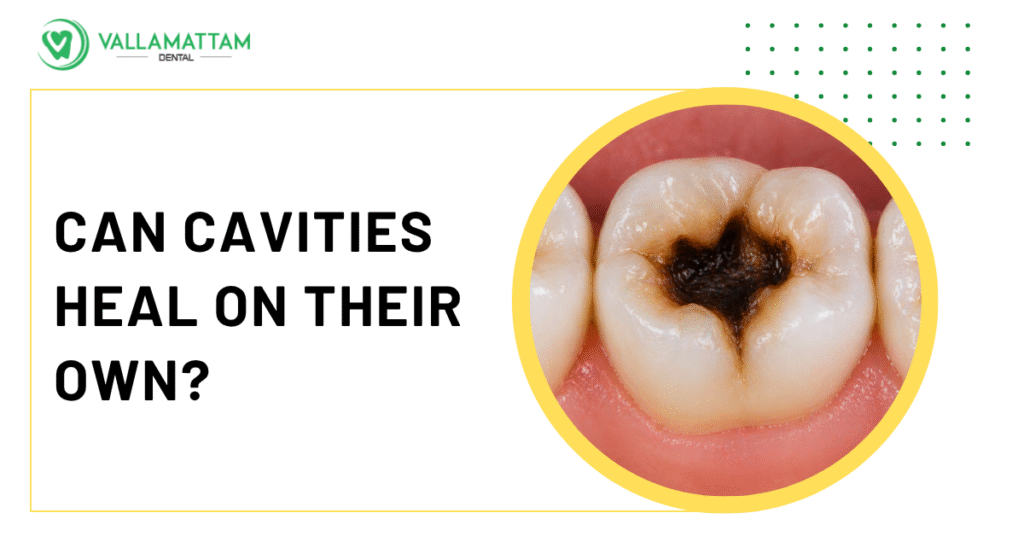
Many people delay treatment, hoping that a cavity might heal naturally. In some cases, symptoms may temporarily reduce, making it feel like the problem has resolved.
But does a cavity actually heal on its own?
Understanding what really happens inside the tooth can help you make a more informed decision, especially before a small issue becomes more complex.
Who This Is For
This guide may help if you:
- Have mild tooth sensitivity or discomfort
- Are unsure whether a cavity needs treatment
- Prefer to avoid dental procedures if possible.
- Have been waiting to see if symptoms improve on their own
Quick Answer
- A cavity usually does not heal on its own once it forms.
- Early enamel changes may stabilize in some cases.
- Symptoms can come and go, even if decay is still present.
- Waiting too long can allow the cavity to progress deeper.
- Early care may help avoid more complex treatment later.
What Is a Cavity, Really?
A cavity is not just “a small hole.” It’s the result of tooth structure being gradually broken down by acids produced by bacteria.
This process typically starts at the enamel (outer layer) and can progress inward toward the dentin and, eventually, the nerve.
At different stages:
- Early stage: Mineral loss (no visible hole yet)
- Mid-stage: Small cavity forms
- Advanced stage: Deeper decay affecting inner layers
Can a Cavity Ever Heal Naturally?
The Short Answer:
Once a cavity forms, it generally cannot be reversed completely on its own.
The Nuanced Reality:
- Very early enamel damage (before a cavity forms) may improve with:
- Good oral hygiene
- Fluoride exposure
- Reduced sugar intake
- However, once there is actual structural damage (a cavity):
- The tooth cannot naturally rebuild that lost structure.
- Professional treatment is often required.
Think of it like a small crack in a wall it might not worsen immediately, but it won’t fix itself either.
Why It Sometimes Feels Like It’s Getting Better
This is where many people get misled.
A cavity can seem to “go away” because:
- The nerve becomes less reactive temporarily.
- You avoid foods that trigger pain.
- The decay slows down for a period.
But in most cases:
The underlying issue may still be present and could continue progressing quietly.
What Happens If You Leave a Cavity Untreated?
A cavity often progresses gradually.
Stage 1: Mild Sensitivity
- Triggered by cold or sweets
- Short-lived discomfort
Stage 2: Increased Decay
- Sensitivity becomes more noticeable.
- Food may get trapped.
- Pain may occur more often.
Stage 3: Deeper Damage
- Pain may start lingering.
- Tooth structure weakens
- Cracks or fractures may develop.
Stage 4: Nerve Involvement
- Persistent or throbbing pain
- Pain at night
- Possible swelling or infection
At this stage, treatment may shift from a simple filling to something more complex, such as a root canal.
Signs a Cavity May Be Getting Worse
You might consider getting it checked if you notice:
- Sensitivity lasting longer than a few seconds
- Pain that starts without a clear trigger
- Discomfort that keeps returning
- Visible dark spots or holes
- Pain when biting or chewing
These changes can suggest that the decay is progressing deeper.
When Might It Be Safe to Monitor?
There are situations where monitoring may be reasonable — but with caution.
For example:
- Very mild sensitivity with no visible damage
- No progression over time
- Good oral hygiene habits
Even then:
Regular dental check-ups can help ensure the situation is stable.
What You Can Do Right Now
If you’re unsure whether your cavity needs treatment, here are some practical steps:
1. Improve Daily Oral Care
- Brush twice daily with fluoride toothpaste.
- Floss regularly to remove trapped debris.
2. Reduce Sugar and Acid Intake
Frequent exposure to sugary or acidic foods can accelerate decay.
3. Pay Attention to Patterns
- Does the pain increase?
- Does it last longer?
- Does it happen more often?
Tracking these changes can help guide your decision.
4. Use Desensitizing Products (If Needed)
These may help manage symptoms, but they do not treat the cavity itself.
5. Don’t Rely on Pain Alone
Pain is not always a reliable indicator of severity. Some cavities progress silently.
Common Misconceptions
“If it doesn’t hurt, it’s not serious.”
Not always true. Some cavities may not cause pain until they become advanced.
“The pain stopped, so it healed.”
Symptoms can fade temporarily, but the decay may still be present.
“I can wait until it gets worse.”
Waiting can sometimes turn a simple filling into a more involved treatment.
When You Should Consider Seeing a Dentist
It may be a good idea to get it evaluated if:
- Symptoms persist for more than a few days.
- Pain becomes stronger or more frequent.
- You experience night pain or swelling.
- The tooth feels sensitive when biting down.
Early evaluation can often make treatment simpler and more predictable.
A cavity might not always cause constant pain, and it can sometimes feel like it’s improving. However, once the tooth structure is damaged, it typically does not repair itself naturally.
The key is not to panic, but also not to ignore it.
Paying attention to symptoms, maintaining good oral care, and getting timely advice when needed can help you manage the situation before it becomes more complicated.