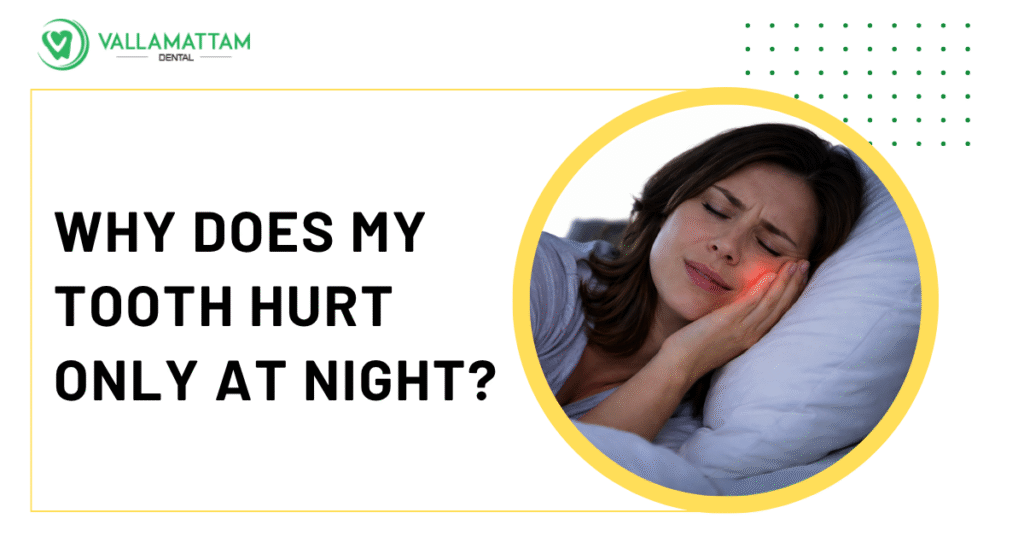
Tooth pain that appears only at night can be confusing and frustrating. During the day, everything may seem normal. As soon as you lie down or try to sleep, the discomfort begins. Many people wonder if this is something minor or a sign of an underlying dental issue.
Nighttime tooth pain is often linked to changes in blood flow, pressure, habits, or underlying tooth conditions. Understanding why this happens may help you decide if simple home care is enough or if a dental evaluation is a better option.
What Does Nighttime Tooth Pain Usually Feel Like?
Nighttime tooth pain can vary in intensity and pattern. Some people may experience:
- A dull, throbbing ache
- Sharp pain when lying down
- Sensitivity that becomes more noticeable at night
- Pain that seems to “pulse” or increase over time
- Discomfort that interrupts sleep
At night, the quiet environment can make even mild discomfort feel more intense.
Why Tooth Pain Can Feel Worse at Night
Several physiological and behavioral factors can make tooth pain more noticeable at night.
1. Increased Blood Flow When Lying Down
When you lie down, blood flow to the head can increase slightly. This may:
- Put pressure on sensitive nerves.
- Amplify existing inflammation
- Make mild pain feel more intense.
This is a common reason a tooth that feels fine during the day might start hurting at night.
2. Reduced Distractions
During the day, your brain is occupied with activities, conversations, and movement. At night:
- There are fewer distractions.
- You become more aware of bodily sensations.
- Even minor discomfort may feel more noticeable.
This does not mean the problem is worsening, just that you are more aware of it.
3. Teeth Grinding or Clenching (Bruxism)
Many people grind or clench their teeth during sleep without realizing it. This can lead to:
- Increased pressure on teeth
- Jaw tension
- Worsening sensitivity at night
Signs that grinding may be involved include:
- Morning jaw stiffness
- Headaches
- Worn or flattened teeth
4. Underlying Tooth Decay or Infection
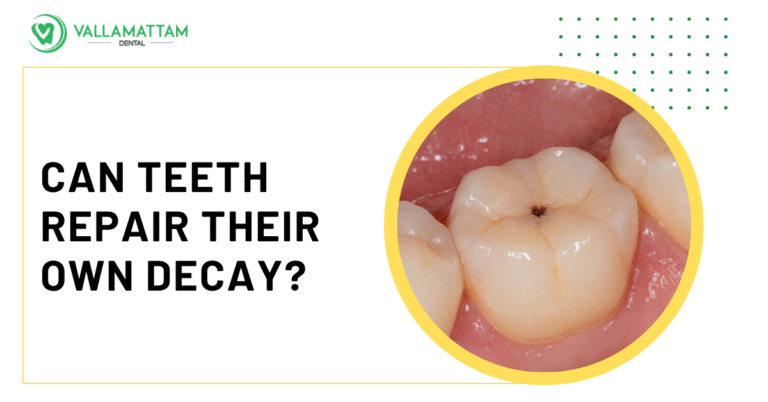
A cavity or deeper dental issue might not cause constant pain but can become more noticeable at night due to:
- Increased blood pressure in the area
- Reduced saliva flow
- Lack of distractions
If decay progresses, it may begin to affect the nerve inside the tooth.
5. Sinus Pressure
Upper teeth, especially molars, are located close to the sinus cavities. When sinuses are congested:
- Pressure can build up.
- Pain may feel like it’s coming from the teeth.
- Symptoms may worsen when lying down.
This type of pain may also be accompanied by nasal congestion or facial pressure.
6. Food Debris or Bacteria Trapped in Teeth
After meals, small food particles may get lodged between teeth or in cavities. At night:
- Bacteria may interact with trapped food.
- Acids may irritate the tooth.
- Sensitivity may increase
If oral hygiene is not thorough before bed, this may become more noticeable.
Common Causes of Nighttime Tooth Pain
Night-only tooth pain can be associated with:
- Tooth decay (cavities)
- Cracked or fractured teeth
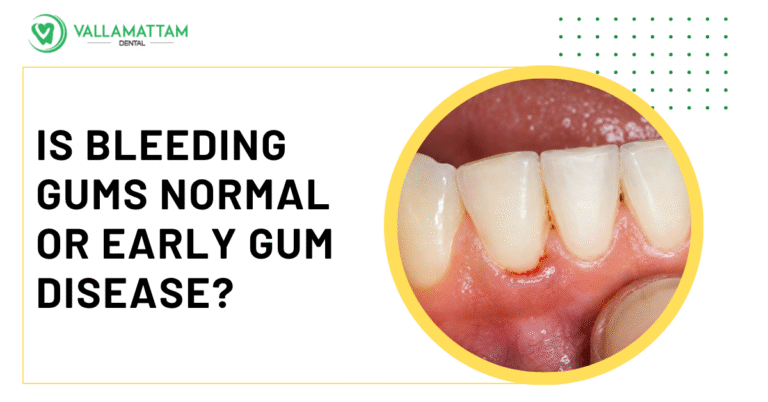
- Gum inflammation or infection
- Grinding or clenching habits
- Exposed tooth roots due to gum recession
- Sinus-related pressure
Identifying the exact cause often requires a dental assessment.
When You Might Consider Getting It Checked
While occasional mild discomfort may not be urgent, certain patterns warrant evaluation.
You may consider visiting a dentist if:
- Pain persists for several nights.
- The discomfort gets worse over time.
- You experience throbbing or pulsating pain.
- There is swelling, fever, or bad taste.
- The pain starts affecting sleep quality.
Early evaluation may help prevent the issue from progressing.
Practical Steps You Can Try at Home
If the pain is mild and occasional, some simple measures may help reduce discomfort.
1. Keep Your Head Slightly Elevated
Sleeping with an extra pillow may help reduce pressure on the head and minimize throbbing pain.
2. Maintain Good Oral Hygiene Before Bed
Before sleeping:
- Brush thoroughly using a soft-bristled toothbrush.
- Floss carefully to remove trapped food
- Rinse with a mild mouthwash if recommended.
This may help reduce irritation from bacteria.
3. Avoid Trigger Foods at Night
Try to limit:
- Sugary snacks
- Acidic foods
- Very hot or cold foods
These may aggravate sensitive teeth at night.
4. Use a Desensitizing Toothpaste
Specialized toothpaste may help reduce nerve sensitivity over time by blocking pathways in the dentin layer.
5. Consider a Night Guard (If Grinding Is Suspected)
If you suspect clenching or grinding:
- A custom night guard may help reduce pressure.
- It acts as a protective barrier for teeth.
A dentist can guide you on whether this is appropriate.
6. Rinse With Warm Salt Water
A gentle saltwater rinse may help:
- Reduce inflammation
- Clean the area
- Provide temporary relief
Common Challenges Patients Face
Many people delay treatment because the pain is not constant.
“It only hurts at night, so it might not be serious.”
Even intermittent pain may indicate an early issue that could worsen over time.
“The pain goes away in the morning.”
Temporary relief does not always mean the problem is resolved. It may still be present but less noticeable.
“I can manage it with home remedies.”
While home care may help temporarily, it does not address the underlying cause if the issue is structural or related to decay.
How Dentists May Evaluate Nighttime Tooth Pain
A dentist may assess the situation using:
- Visual examination
- X-rays to detect hidden issues
- Bite tests to identify cracks
- Gum and sinus assessment
This helps determine if the pain is dental, sinus-related, or habit-related.
Possible Treatment Options
Depending on the cause, treatment options may include:
- Fillings for cavities
- Crowns for cracked or weakened teeth
- Root canal treatment if the nerve is affected
- Night guards for grinding
- Gum treatments if recession or infection is present
The most appropriate approach varies from person to person.
When Monitoring Might Be Reasonable
If the discomfort is mild, occasional, and improving, monitoring may be an option.
You might track:
- Frequency of pain
- Intensity
- Triggers
- Duration
If symptoms remain stable or improve, immediate intervention is not necessary.
Tooth pain that occurs only at night can have several explanations, from minor sensitivity to underlying dental concerns. While it does not always indicate a serious problem, persistent or worsening discomfort can be a sign your tooth needs attention.
Paying attention to patterns, maintaining good oral care, and seeking evaluation when needed can help you address the issue early and avoid more complex treatment later.