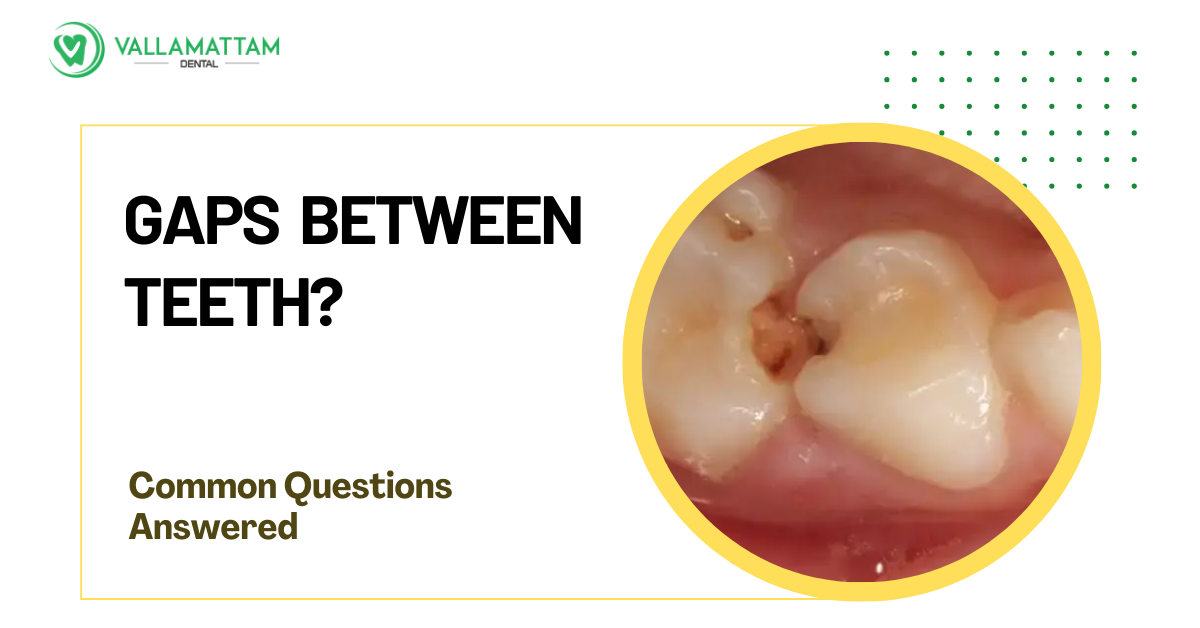
Noticing a gap between your teeth can raise questions — especially if it seems to be getting wider over time. While some spacing (called diastema) can be completely normal, progressive gaps may indicate changes in gum health, bite alignment, or bone support. Below are the most common questions patients ask about gaps between teeth — answered clearly and simply.
Why are my teeth suddenly spreading apart?
Teeth generally do not move without a reason. A widening gap may be related to gum disease, gum recession, bite pressure (including clenching or grinding), orthodontic relapse, or a missing tooth nearby. If the gap appears to be increasing over time, a dental evaluation can help determine the underlying cause.
Is it normal for teeth to move as you get older?
Minor tooth movement can occur gradually as bite forces and supporting tissues change with age. However, noticeable or progressive spacing changes are not typically considered normal aging. If the gap is increasing or accompanied by bleeding gums or mobility, a professional assessment may be advisable.
Can gum disease cause gaps between teeth?
Yes, gum disease can contribute to widening gaps. When gum infection progresses, it may reduce the bone and tissue support around teeth. As support decreases, teeth can become less stable and may begin to drift apart. Early gum disease may not cause pain, which is why regular dental check-ups are important.
My front teeth gap is getting bigger, but nothing hurts. Should I be concerned?
Pain is not always present when structural changes occur. If the gap is gradually increasing, or if you notice gum bleeding, swelling, or teeth feeling slightly loose, an evaluation may be helpful. If the spacing is stable and purely cosmetic, treatment may not be necessary.
Can a gap between teeth close on its own?
In most cases, gaps do not close naturally without orthodontic or cosmetic intervention. If the spacing is related to temporary gum inflammation, improving gum health may help stabilize the area. However, complete closure typically requires professional treatment such as clear aligners or bonding.
I had braces before. Why is my gap coming back?
This may occur due to orthodontic relapse. Teeth can gradually shift back toward their original position if retainers are not worn consistently. Long-term retainer use is often recommended to maintain alignment.
Can teeth grinding or clenching cause gaps?
Chronic grinding or clenching may alter bite pressure over time and can contribute to gradual tooth movement. While grinding alone may not always create gaps, it can influence spacing when combined with other factors such as gum recession or bone changes.
Why do my teeth feel loose along with the gap?
Tooth mobility combined with widening spacing may indicate reduced bone support or advanced gum disease. If teeth feel noticeably loose, prompt professional evaluation is recommended.
Is a small gap between front teeth a problem?
A small front tooth gap, also known as a diastema, can be completely normal and sometimes genetic. Treatment is usually considered if the gap is increasing, affecting bite alignment, frequently trapping food, or causing cosmetic concern.
How do dentists determine why teeth are moving?
A dentist may assess gum health, measure pocket depths, evaluate tooth mobility, analyze bite alignment, and review digital X-rays to examine bone levels. Identifying the underlying cause helps guide appropriate treatment options.
If I ignore a widening gap, what could happen?
If spacing is caused by active gum disease or bone loss, it may continue to progress over time. Early evaluation often allows for more conservative management compared to advanced stages.
Is a widening gap a dental emergency?
Most widening gaps are not emergencies. However, urgent evaluation may be needed if the spacing increases rapidly, teeth feel loose, swelling develops, or infection is suspected.