After a tooth extraction, a protective blood clot naturally forms inside the empty tooth socket to cover the underlying jawbone and nerve endings while new tissue grows. In most cases, this clot remains securely in place and post-extraction discomfort steadily improves over the first few days.
Sometimes, however, the blood clot fails to form properly, dissolves prematurely, or becomes dislodged before the socket has healed. This post-operative complication is known clinically as alveolar osteitis, or more commonly as a dry socket.
Understanding how to distinguish normal post-extraction healing from the warning signs of a dry socket—and knowing which simple aftercare habits protect the blood clot—can help you recover comfortably and recognize when prompt dental care is needed.
What Is a Dry Socket (Alveolar Osteitis)?
When a tooth is removed, the body initiates healing by filling the bony socket with a fibrin blood clot. This clot acts as both a protective biological dressing over exposed bone and nerve endings and a scaffold for new gum tissue and bone formation.
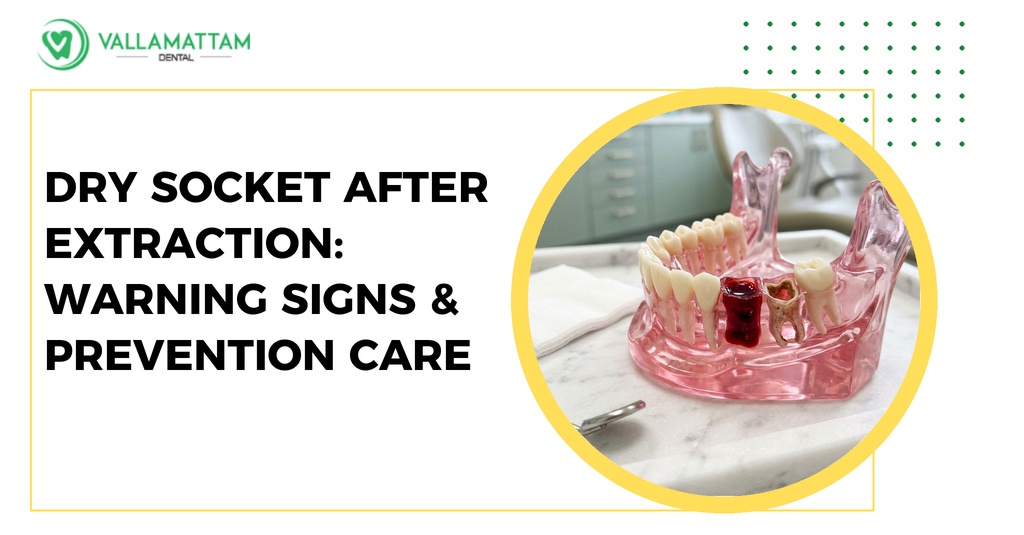
A dry socket occurs when this blood clot breaks down (fibrinolysis) or is physically dislodged within the first few days after extraction. Without the protective clot, the underlying alveolar bone and sensitive nerve pathways are exposed directly to air, fluids, and food debris.
Dry socket is not a bacterial infection in itself, though trapped food particles can irritate the socket further. It occurs most frequently following the removal of lower molar teeth—particularly impacted lower wisdom teeth—where dense jawbone and surgical complexity can influence blood supply and clot stability.
Normal Post-Extraction Healing vs Dry Socket
Many patients worry that any soreness after an extraction indicates a dry socket. In reality, mild to moderate tenderness and swelling are normal parts of early surgical healing. Dentists evaluate the timeline and direction of your symptoms to tell the difference:
| Feature | Normal Post-Extraction Healing | Dry Socket (Alveolar Osteitis) |
|---|---|---|
| Pain Timeline | Peaks within the first 24 to 48 hours, then gradually improves each day | Develops or sharply worsens 2 to 4 days after the extraction |
| Character of Pain | Mild to moderate soreness or dull ache localised to the extraction site | Moderate to severe, throbbing pain that does not improve with routine pain relief |
| Radiating Discomfort | Remains confined around the gum and immediate jaw area | Often radiates along the nerve toward the ear, temple, eye, or neck on the same side |
| Appearance of Socket | Dark red blood clot or whitish-yellow healing granulation tissue covering the site | Partially or completely empty-looking socket where pale bone may be visible |
| Taste and Breath | Mild metallic taste from minor oozing during the first 24 hours only | Persistent unpleasant taste or noticeable odour coming from the empty socket |
| Response to Home Care | Responds well to prescribed medication, rest, and cold compresses | Requires professional soothing dressing and gentle socket irrigation by a dentist |
Key Warning Signs Dentists Look For
If you are recovering from a tooth extraction, contact your dentist for an evaluation if you notice any of the following symptoms developing a few days after your procedure:
1. Worsening Pain After Initial Improvement
The most reliable indicator of a dry socket is a change in pain pattern. Typically, the first day or two after extraction feels manageable, followed by a sudden onset of deep, aching, or throbbing discomfort between Day 2 and Day 4.
2. Pain Radiating Toward the Ear or Temple
Because the nerves supplying the lower and upper jaws travel along branches of the trigeminal nerve, exposed bone inside a tooth socket often triggers referred pain that radiates up toward the ear, temple, eye, or down into the side of the neck.
3. Missing Blood Clot in the Extraction Site
If you look gently in a mirror without pulling forcefully on your cheek or lip, a healing socket normally looks dark red at first and gradually develops a creamy white layer of healing tissue (granulation tissue and fibrin, which is often mistaken for pus but is completely normal). In a dry socket, the site may appear recessed or empty.
4. Unpleasant Taste or Halitosis
When the blood clot is absent, small food particles and oral bacteria can collect inside the exposed bony socket, producing a persistent foul taste or bad breath even when the rest of the mouth is clean.
Factors That Increase the Risk of Dry Socket
While a dry socket can occasionally occur even when all instructions are followed, several mechanical, biological, and lifestyle factors make clot loss more likely:
1. Suction Forces and Vigorous Rinsing
Drinking through a straw, spitting forcefully, or swishing liquid vigorously during the first 24 to 48 hours creates negative pressure inside the mouth that can physically pull a newly formed clot out of the socket.
2. Smoking and Tobacco Use
Smoking or using tobacco products significantly increases the risk of alveolar osteitis. Nicotine constricts blood vessels (reducing blood flow to the healing socket), heat and chemical byproducts irritate the tissues, and the physical inhalation movement creates suction.
3. Surgical Complexity and Tooth Location
Routine simple extractions have a relatively low incidence of dry socket. The risk is higher following surgical extractions of impacted lower third molars (wisdom teeth), where the bone is denser and less vascular than in the upper jaw.
4. Pre-Existing Gum or Pericoronal Inflammation
Teeth extracted due to acute pericoronitis, advanced periodontal disease, or long-standing infection around the root have higher local enzymatic activity, which can accelerate premature breakdown of the fibrin clot.
How to Prevent Dry Socket: Practical Aftercare Steps
Protecting the blood clot during the first 72 hours is the most effective way to support smooth healing:
- Bite Gently on Gauze as Directed: Keep firm, steady pressure on the sterile gauze pad placed by your dentist for the first 30 to 45 minutes after extraction to allow a stable clot to form.
- Avoid Straws and Forceful Spitting: Drink directly from a cup or glass and allow excess saliva or water to roll gently out of your mouth rather than spitting forcefully.
- Do Not Rinse Vigorous for the First 24 Hours: Avoid mouthwashes or vigorous water rinsing on the day of surgery. Starting 24 hours after extraction, gently bathe the area with lukewarm salt water (half a teaspoon of salt in a glass of warm water) after meals, tilting your head side to side rather than swishing forcefully.
- Choose Cool, Soft Foods: Stick to soft, nourishing foods such as lukewarm soups, curd, soft rice, mashed vegetables, or smoothies (eaten with a spoon, never a straw) for the first few days. Avoid hard, crunchy, seedy, or very hot foods that can disturb the clot.
- Avoid Tobacco and Alcohol: Refrain from smoking, vaping, or using smokeless tobacco for at least 72 hours—and ideally longer—after surgery, and avoid alcoholic beverages while healing.
- Brush Carefully Around the Site: Continue brushing your other teeth to keep bacterial levels low, but keep toothbrush bristles away from the extraction socket itself for the first few days.
How Dentists Treat a Dry Socket
If a dry socket develops, trying to treat it at home with over-the-counter remedies or placing substances directly into the socket will not resolve the exposed bone and can introduce irritation. Professional treatment in the dental clinic is straightforward and focused on rapid symptom relief:
- Gentle Socket Irrigation: The dentist carefully flushes the socket with sterile saline or a mild antimicrobial solution to remove trapped food debris and inflammatory irritants.
- Medicated Soothing Dressing: A specialized, biocompatible medicated dressing or paste is gently placed into the socket to cover the exposed bone and soothe the irritated nerve endings. Most patients experience noticeable relief within a short time after the dressing is placed.
- Follow-Up Monitoring and Medication: Your dentist will advise whether the dressing dissolves on its own or requires a brief follow-up visit for replacement after a few days, and will prescribe appropriate anti-inflammatory or analgesic medication to keep you comfortable while new tissue covers the bone.
Frequently Asked Questions
How soon after a tooth extraction can a dry socket happen?
A dry socket most commonly develops between 2 and 4 days after a tooth extraction. During the first 24 hours, normal surgical soreness is expected, whereas pain that suddenly intensifies after the second or third day is a classic sign that the blood clot may have been lost.
Does white tissue in the extraction site mean I have a dry socket or infection?
Usually, no. A soft, whitish-yellow film forming over the extraction socket after a couple of days is typically healthy granulation tissue and fibrin—the mouth’s natural equivalent of a healing scab. If the white layer is accompanied by decreasing soreness and no foul odour or swelling, healing is progressing normally.
When is the risk of dry socket completely over?
Once new gum tissue (granulation tissue) has grown across the socket and covered the underlying bone—which generally takes about 7 to 10 days after a routine extraction—the blood clot is no longer vulnerable to dislodgement, and the risk of developing a dry socket passes.
Can a dry socket heal on its own without seeing a dentist?
While the body will eventually grow new tissue over the exposed bone over one to two weeks, leaving a dry socket untreated causes unnecessary, severe discomfort and increases the risk of secondary infection from trapped debris. A quick visit to your dentist for gentle irrigation and a medicated dressing provides prompt relief and safer healing.
When to Contact Your Dentist for Post-Extraction Care
Mild tenderness that improves each day is normal after tooth removal, but severe or radiating pain that begins a few days after your appointment should always be checked by a dentist. You should also seek prompt evaluation if you notice increasing facial swelling, fever, persistent bleeding that does not slow after biting on clean gauze, or difficulty swallowing.
If you are preparing for a tooth extraction or experiencing post-operative discomfort, the surgical team at Vallamattam Dental Clinic in Kakkanad provides gentle extractions, clear recovery guidance, and attentive post-operative support.
For patients currently weighing whether a damaged or aching tooth can be saved or requires removal, read our clinical comparison on root canal vs tooth extraction.

Clinical Review & Oversight
This guide was reviewed by Dr. Antony Kurian Vallamattam and the specialist team at Vallamattam Dental Clinic in Kakkanad, Kochi. Our clinicians specialize in endodontics, orthodontics, oral surgery, and periodontics.
Meet our dentists & specialists → · Book an appointment in Kakkanad