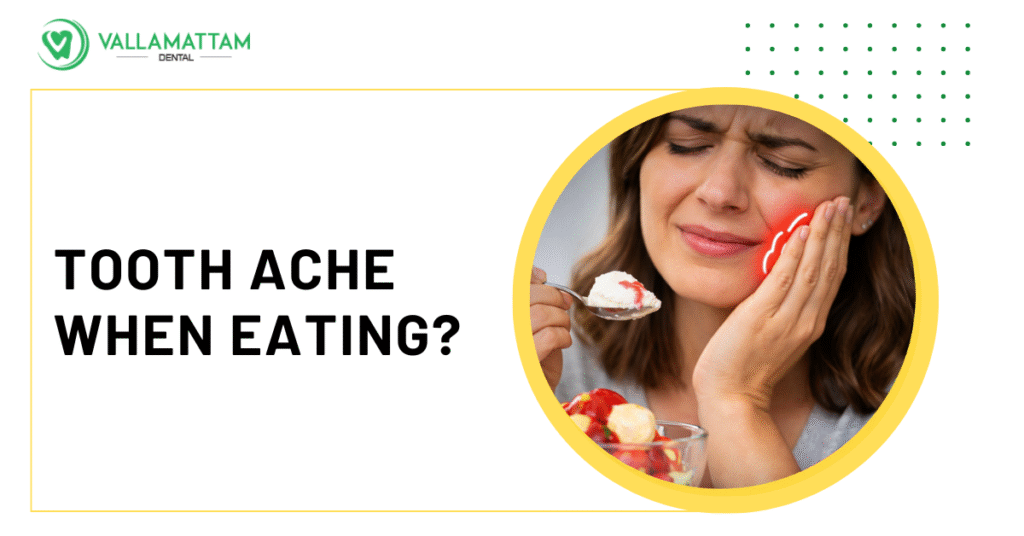
Tooth sensitivity can be confusing, especially when it happens only while eating. You might feel a sudden sharp sensation when biting into something sweet, cold, or hard, but the tooth feels completely normal the rest of the time. Many people wonder whether this is a minor irritation or a sign of something more serious.
In many cases, occasional sensitivity during meals can have harmless causes. However, persistent sensitivity may also indicate underlying dental issues that benefit from evaluation. Understanding the possible causes and what steps you can take may help you decide whether monitoring the problem or seeking professional care is the best option.
What Does “Sensitivity While Eating” Usually Feel Like?
Tooth sensitivity during meals often appears as a short, sharp discomfort that occurs when certain foods touch the tooth. The sensation usually disappears quickly once the stimulus is removed.
Common triggers may include:
- Cold foods or drinks such as ice cream
- Hot foods like soups or coffee
- Sweet or sugary foods
- Hard or crunchy foods
- Acidic foods such as citrus or pickles
Because the discomfort occurs only when eating, it can sometimes be overlooked. However, repeated sensitivity in the same tooth may suggest that something is affecting the tooth’s protective layers.
How Teeth Normally Protect Themselves
Each tooth has several layers that help protect the nerve inside.
- Enamel
The outermost protective layer that shields the tooth from temperature changes and bacteria. - Dentin
A layer beneath enamel that contains microscopic channels leading to the tooth’s nerve. - Dental Pulp (Nerve)
The inner tissue responsible for sensation and nourishment of the tooth.
When enamel or gum protection is reduced, the dentin layer can become exposed. This exposure may allow temperature, pressure, or certain foods to stimulate the nerve, which can lead to sensitivity.
Common Reasons a Tooth May Feel Sensitive While Eating
Sensitivity during meals can occur for several reasons. Some causes are temporary, while others may require dental care.
1. Tooth Enamel Wear
Enamel may gradually wear down due to:
- Frequent consumption of acidic foods
- Aggressive brushing
- Teeth grinding (bruxism)
- Acid reflux
When enamel becomes thinner, the underlying dentin may become more sensitive to temperature and pressure.
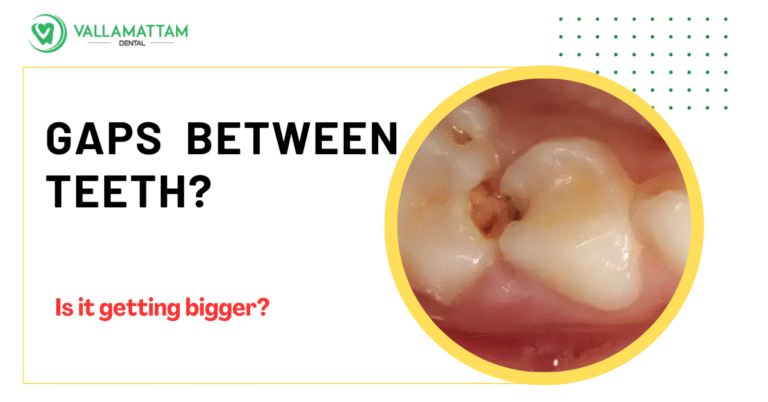
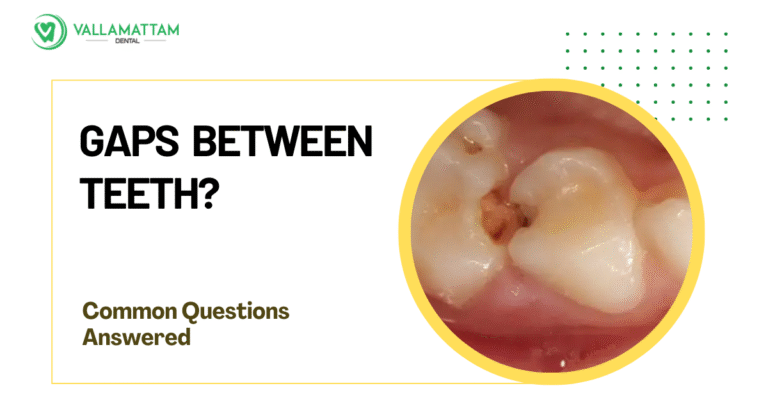
2. Early Tooth Decay
A small cavity might not cause constant pain. However, food particles entering the weakened area can stimulate the nerve.
Possible signs of early decay may include:
- Sensitivity when eating sweets
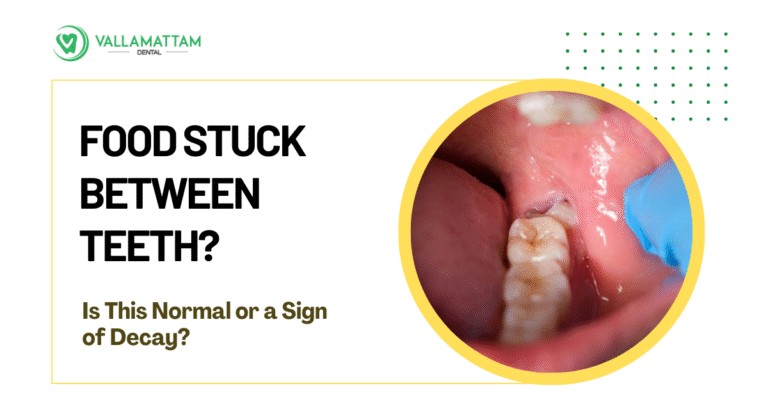
- Food getting trapped in one spot
- Slight discoloration on the tooth surface
Because cavities can develop slowly and without obvious symptoms, sensitivity during meals can sometimes be an early warning sign.
3. Cracked or Chipped Tooth
A minor crack in the tooth may not always be visible. When biting or chewing, pressure can slightly open the crack and irritate the nerve inside.
Symptoms that may suggest a cracked tooth include:
- Pain when biting down
- Sensitivity when releasing bite pressure
- Intermittent discomfort when chewing
These symptoms may come and go depending on the type of food being eaten.
4. Gum Recession
Gums may gradually recede due to factors such as brushing habits, aging, or gum disease. When gums recede, they may expose the tooth root, which lacks protective enamel.
Root surfaces are more sensitive to:
- Cold foods
- Sweet foods
- Acidic foods
Even small areas of recession may cause noticeable sensitivity.
5. Recent Dental Procedures
After treatments such as fillings, crowns, or teeth whitening, temporary sensitivity can occur while the tooth adjusts.
This sensitivity may gradually improve over time as the tooth stabilizes.
6. Teeth Grinding or Clenching
Grinding or clenching teeth—often during sleep—can place excessive pressure on teeth. Over time, this pressure may lead to:
- Enamel wear
- Microcracks
- Increased sensitivity during chewing
Many people are unaware that they grind their teeth until symptoms appear.
When Sensitivity Might Be a Sign of a Bigger Problem
While occasional sensitivity can be harmless, certain patterns may suggest the need for a dental evaluation.
You might consider seeking professional advice if you notice:
- Sensitivity that keeps getting worse
- Pain when biting down
- Visible cracks or chips
- Swelling or gum irritation
- Sensitivity lasting longer than a few weeks
Early assessment can sometimes help identify problems before they become more complex.
Practical Steps You Can Try at Home
If your tooth only feels sensitive while eating, some simple steps may help reduce irritation.
1. Use a Desensitizing Toothpaste
Toothpastes designed for sensitive teeth can help block the tiny channels in dentin that lead to the nerve. Consistent use may gradually reduce sensitivity.
2. Brush Gently
Using a soft-bristled toothbrush and gentle pressure may help prevent further enamel wear or gum irritation.
Recommended brushing approach:
- Hold the brush at a 45-degree angle
- Use small circular motions
- Avoid scrubbing aggressively
3. Limit Acidic Foods and Drinks
Frequent exposure to acidic foods can weaken enamel over time.
Examples include:
- Citrus fruits
- Soft drinks
- Vinegar-based foods
- Energy drinks
Reducing frequency or rinsing with water afterward may help protect enamel.
4. Avoid Extreme Temperature Changes
Switching rapidly between very hot and very cold foods can increase sensitivity in vulnerable teeth.
Allowing foods to reach moderate temperatures may reduce discomfort.
5. Consider a Night Guard if You Grind Your Teeth
If grinding is suspected, discussing a night guard with a dentist may be helpful. Night guards can help reduce pressure on teeth and protect enamel from further wear.
Common Challenges Patients Face
People experiencing tooth sensitivity often delay evaluation because the discomfort seems mild or inconsistent.
Some common concerns include:
“It only hurts when I eat sweets.”
Even mild sensitivity to sweets can sometimes indicate early enamel changes or small cavities.
“The pain disappears quickly.”
Short-lived pain does not always mean the issue is minor. It may still indicate exposed dentin or structural changes in the tooth.
“It comes and goes.”
Intermittent symptoms can sometimes be associated with cracked teeth or shifting bite pressure.
Monitoring changes in symptoms over time can help determine whether the issue is improving or progressing.
How Dentists May Evaluate Tooth Sensitivity
If sensitivity continues, a dentist may perform several assessments to identify the cause.
These may include:
- Visual examination of the tooth surface
- X-rays to check for hidden decay
- Bite tests to detect cracks
- Gum health assessment
Identifying the cause allows the dentist to recommend appropriate treatment options, which might range from simple protective measures to restorative procedures.
Possible Treatment Options
Treatment depends on the underlying cause of sensitivity.
Possible approaches may include:
- Fluoride treatments to strengthen enamel
- Dental bonding to cover exposed dentin
- Fillings for small cavities
- Crowns for cracked or weakened teeth
- Gum treatments if recession is involved
The most suitable option will depend on the condition of the tooth and surrounding tissues.
When Monitoring Might Be Reasonable
If sensitivity is mild and occasional, monitoring the tooth for changes may be reasonable.
You might track:
- Frequency of sensitivity
- Types of foods that trigger discomfort
- Duration of the sensation
- Any visible changes in the tooth
If symptoms remain stable or improve with better oral care, professional treatment may not be necessary immediately.
A tooth that feels sensitive only when eating does not always indicate a serious problem. However, persistent or worsening sensitivity can sometimes suggest changes in enamel, gum health, or tooth structure.
Understanding the possible causes and paying attention to patterns in your symptoms may help guide your next steps. If the sensitivity continues or becomes more noticeable, a dental evaluation can help determine whether simple preventive care or treatment may be beneficial.
Early attention to minor dental concerns can often help prevent more complicated issues in the future.