When people hear the words “root canal,” anxiety often follows. The procedure has carried a reputation for being painful, slow, and uncomfortable. However, modern dentistry has evolved significantly. In many cases, a root canal is designed to relieve pain — not cause it.
This article explains what actually causes root canal pain, how modern pain-controlled dentistry works, what you might expect during treatment, and when seeking care could be a good option.
Why Do People Think Root Canals Are Painful?
The fear surrounding root canal treatment often stems from outdated experiences and misinformation.
1. Outdated Techniques
Decades ago:
- Local anesthesia may not have been as precise.
- Dental instruments were less efficient.
- Procedures could take longer.
- Patients sometimes experienced incomplete numbing.
Modern dentistry uses advanced anesthetics, digital imaging, and rotary instruments, which can significantly improve comfort.
2. Fear Amplifies Pain Perception
Anxiety can heighten the brain’s sensitivity to discomfort. When patients expect pain, they might interpret normal pressure sensations as painful.
Clear communication, understanding the steps involved, and knowing what to expect can reduce that fear.
3. Confusion Between Infection Pain and Treatment Pain
This is critical:
- The infection inside the tooth usually causes severe pain.
- The root canal procedure removes that infection.
Many people associate the existing toothache with the treatment itself, when in reality, the procedure is intended to eliminate the source of discomfort.
What Actually Causes Tooth Pain Before a Root Canal?
Understanding the biology helps remove uncertainty.
Infected Dental Pulp
Inside every tooth is a soft tissue called the pulp, which contains:
- Nerves
- Blood vessels
- Connective tissue
When bacteria enter through deep cavities, cracks, or trauma, the pulp can become inflamed or infected.
Pressure Inside the Tooth
Unlike other parts of the body, a tooth has limited space for swelling. When inflammation builds inside the pulp chamber:
- Pressure increases.
- Nerves become compressed.
- Sharp or throbbing pain can occur.
Common Symptoms
You might notice:
- Persistent toothache
- Sensitivity to hot or cold that lingers
- Pain while chewing
- Swelling near the gum
- Darkening of the tooth
In many cases, removing the infected pulp through root canal therapy can relieve these symptoms.
Is a Root Canal Painful Today? The Honest Answer
In modern clinical settings, most patients report that a root canal feels similar to having a large filling placed.
Here’s why:
- Local anesthesia is carefully administered to fully numb the area.
- Advanced instruments reduce treatment time.
- Precision techniques minimize trauma to surrounding tissues.
You may feel:
- Pressure
- Mild vibration
- Temporary numbness
However, sharp pain during treatment is generally not expected. If discomfort occurs, dentists can administer additional anesthesia.
After the procedure, you might experience mild soreness for a few days. This can be manageable and typically improves over time.
How Modern Pain-Controlled Dentistry Works
Modern endodontic care focuses on comfort, efficiency, and precision.
1. Advanced Local Anesthesia
Today’s anesthetics:
- Can act quickly
- May last longer
- Are delivered with more precision
Dentists may test the area before beginning to ensure adequate numbness.
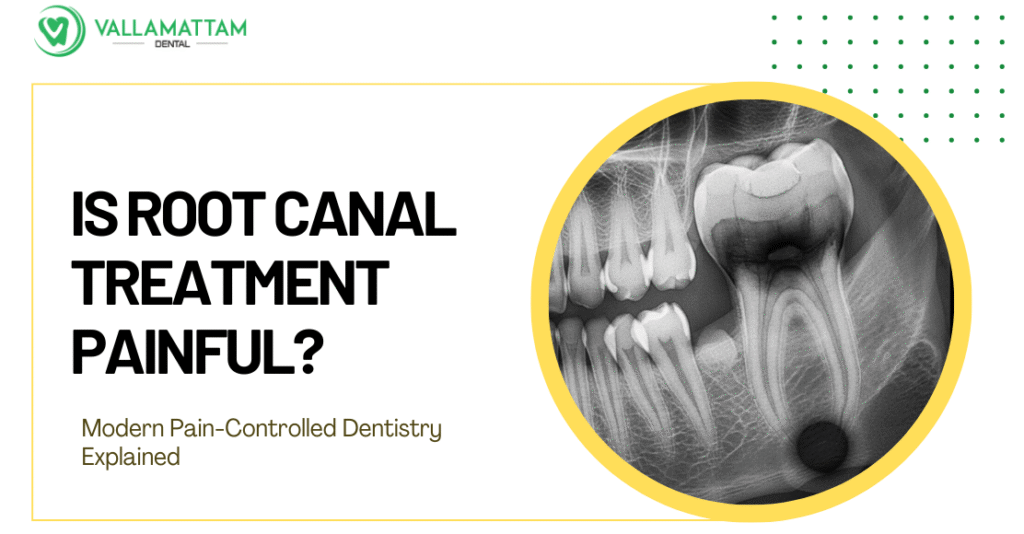
2. Digital Imaging & Accurate Diagnosis
Digital X-rays can:
- Identify the number of canals
- Detect hidden infections
- Reduce unnecessary exploration
Better diagnosis can shorten procedure time.
3. Rotary Endodontic Instruments
Instead of manual files alone, many practices use rotary systems, which:
- Clean canals more efficiently
- Create smoother canal shapes
- May reduce chair time
4. Minimally Invasive Techniques
Preserving healthy tooth structure is often prioritized. A conservative approach can support faster healing and structural integrity.
5. Anxiety Management
Dental anxiety can be addressed through:
- Clear explanations
- Scheduled breaks
- Gentle communication
- Relaxation techniques
In some cases, sedation options might be considered if anxiety is significant.
What Does a Root Canal Procedure Feel Like? Step-by-Step
Breaking the process into stages often reduces fear.
Step 1: Examination & Imaging
The dentist may:
- Assess symptoms
- Take digital X-rays
- Confirm diagnosis
Step 2: Local Anesthesia
The area around the tooth is numbed. You may feel brief pressure during injection, followed by numbness.
Step 3: Access & Removal of Infected Pulp
A small opening is created in the tooth to access the pulp chamber. The infected tissue is removed carefully.
Step 4: Cleaning & Shaping
The canals are:
- Cleaned
- Disinfected
- Shaped for sealing
You might feel vibration, but not sharp pain.
Step 5: Sealing & Restoration
The canals are sealed with a biocompatible material. Later, a crown may be recommended to protect the tooth.
Most patients report relief once the infected tissue has been removed.
What About Pain After the Root Canal?
Mild discomfort after treatment can occur because:
- Surrounding tissues may have been inflamed prior to treatment.
- The tooth may feel sensitive to pressure.
You might experience:
- Mild soreness for 2–3 days
- Slight tenderness when chewing
Over-the-counter pain relief can be sufficient in many cases, but following your dentist’s guidance is important.
Severe or worsening pain is less common and may require evaluation.
When Should You Not Delay a Root Canal?
Delaying treatment can sometimes increase complications.
You may want to seek evaluation if you notice:
- Persistent toothache lasting several days
- Swelling or pus near the gums
- Facial swelling
- Fever combined with dental pain
- Pain that disrupts sleep
Untreated infection might:
- Spread to surrounding tissues
- Lead to abscess formation
- Increase the risk of tooth loss
Early intervention can be a more conservative and predictable option.
Root Canal vs. Tooth Extraction: Which Is More Painful?
Extraction may seem quicker, but it is not always the simpler long-term option.
Extraction Considerations
- May require surgical removal
- Healing time can be longer
- Missing teeth can affect bite alignment
- Bone loss may occur over time
Root Canal Advantages
- Preserves natural tooth structure
- Maintains chewing efficiency
- Avoids shifting of adjacent teeth
Saving the natural tooth is often considered a conservative and stable solution when possible.
Actionable Steps If You’re Experiencing Tooth Pain
If you suspect you may need a root canal:
- Monitor Symptoms Carefully
Track duration, intensity, and triggers. - Avoid Extreme Temperatures
Very hot or cold foods might increase discomfort. - Maintain Gentle Oral Hygiene
Continue brushing carefully to reduce bacterial buildup. - Schedule a Professional Evaluation
A dental assessment can determine whether root canal therapy, monitoring, or alternative treatment is appropriate. - Ask Questions During Consultation
- What anesthesia will be used?
- How long might the procedure take?
- What can I expect afterward?
Being informed reduces uncertainty and anxiety.
Common Challenges & Concerns
“I’m afraid of injections.”
Modern techniques can make injections more comfortable. Numbing gel is often applied first.
“I had a painful dental experience before.”
Dental technology and techniques may have changed significantly since then. Discussing previous experiences openly can help your dentist adjust the approach.
“What if it fails?”
While root canal therapy has a high success rate, no procedure is guaranteed. Follow-up care and proper restoration can improve long-term outcomes.
Should You Be Afraid of a Root Canal?
In most modern dental settings, root canal treatment is structured to relieve infection-related pain and restore function. The procedure can be comfortable when performed with current techniques and appropriate anesthesia.
The greater risk often lies in delaying care. Untreated infection may worsen over time and lead to more complex interventions.
If you are experiencing persistent tooth pain, a professional dental evaluation could clarify the cause and determine whether root canal therapy is a suitable option. Addressing the issue early might lead to a simpler, more comfortable solution.
Modern pain-controlled dentistry exists specifically to reduce fear and improve patient comfort. In many cases, the relief after treatment can outweigh the anxiety before it.